

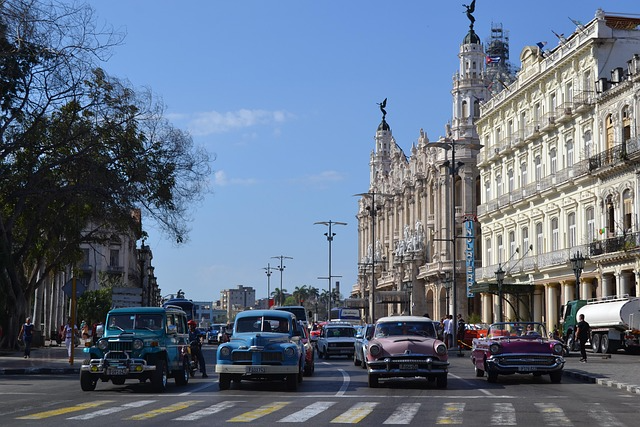
The energy crisis has become a serious crisis in Cuba, leading to concerns. As per the reports of multiple sources including the BBC and CNN, Cuba has run out of energy supplies especially diesel and fuel oil. The energy crisis — an unprecedented crisis in Cuba in decades — has led to protests. The anti-government protest led by the fuel crisis even led to an attack on a Communist Party Office in the central city of Morón in Cuba, which depends on imports for its energy supplies including the supply of diesel from several countries including Venezuela. But how much the energy crisis in Cuba will be resolved remains uncertain.
There are several reasons for the energy crisis in Cuba. Depleted reserves and the aggressive US blockade, driven by a variety of reasons including long rivalries between the countries and the intention of the US to remove Cuba’s current leader, President Miguel Díaz-Canel, and make significant political and economic reforms, are vital reasons for the extant energy shortage. The US administration, which has made changes in the Venezuelan leadership and the Iranian supreme leadership, has threatened to impose tariffs on countries that supply oil to Cuba and has halted oil shipments from Venezuela and Mexico to it, leading to the latest crisis. Moreover, the Iran-US-Israel war, which has reduced oil supplies globally, has reduced the scope for Cuba to negotiate alternative energy sources.
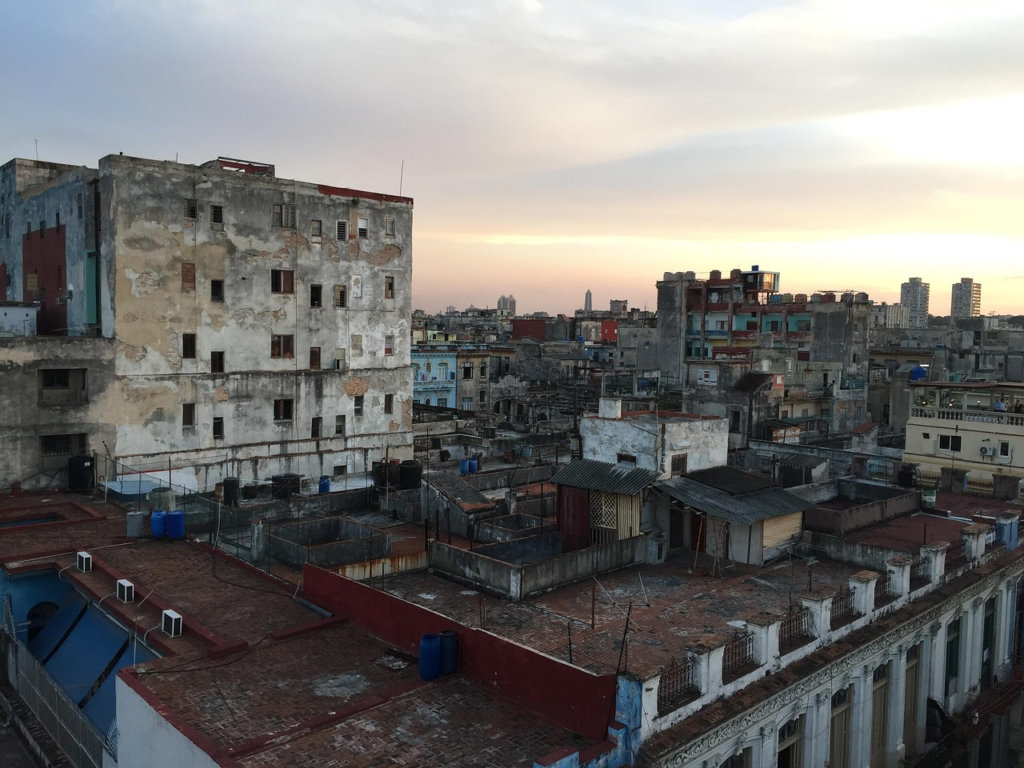
Cuba (credit: https://pixabay.com/).
But the unprecedented energy crisis has led to various negative impacts all across Cuba, where the GDP has already shrunk by roughly 15 percent over the past five years due to reduced energy supplies earlier and other reasons. The present energy crisis has led to nationwide blackout, economic stagnation and transportation delays. The blackouts have become almost regular and left millions in darkness, and economic activities have stalled or reduced significantly in many areas — leading to a reduction in production — because of the lack of oil supplies. Moreover, there are disruptions in healthcare (such as a backlog of over 96,000 pending surgeries), education and water supply, leading to the suffering of the people.
But it remains uncertain whether the extant Cuban regime, which came to power in 2019 will be changed due to the deliberately made fuel crisis in Cuba. There are no significant and decisive political protests and the chance of a direct US attack with the controversial US intention for regime change is so far less. The blockade and the energy crisis will rather further impact Cuba, which is already in trouble on many grounds including economic, and can mostly impact the ordinary people. If the crisis and blockade persist and there are no energy supplies, impacts can be far greater than expected, not only in economic terms but also in other terms.
But, optimistically saying, the government of Cuba has made some efforts including the decentralization of oil imports and international organizations such as the United Nations engaged in talks with the US over the blockade. Moreover, the US allowed certain ships especially Russian ships that supplied 730000 barrels of oil a month ago on humanitarian grounds. These have helped somewhat — especially temporarily. But these have not resolved the energy crisis and Cuba alone cannot solve it, especially when the blockade is imposed by the US. Moreover, there are now no notable measures to secure oil supplies to Cuba and hold talks between the two parties for a negotiated settlement to the blockade.
It is vital to address the energy crisis to prevent possible unprecedented impacts. For this, withdrawing the blockade of the US, which has rival relations especially since the 1959 revolution that overthrew the US-backed regime, is vital. Given the intention of the US to indirectly force people to stand against the regime and make reforms in Cuba, the US may be less willing to withdraw the blockade on oil shipments, at least completely, to Cuba, an economically troubled country. But talks between the two parties can help address their mutual concerns and solve the energy crisis in Cuba.
But the United States needs to reconsider its oil blockade imposed over Cuba, which has been reeling from the devastation of Hurricane Mellissa, to prevent potentially unprecedented and catastrophic humanitarian impacts on the masses, even if there is a long rivalry between the two parties. It is vital to reduce the extent of the US oil embargo, at least, to ensure that the supply of energy continues so that civic lives are not further impacted in Cuba. The release of political prisoners by the Cuban government may be helpful.
