

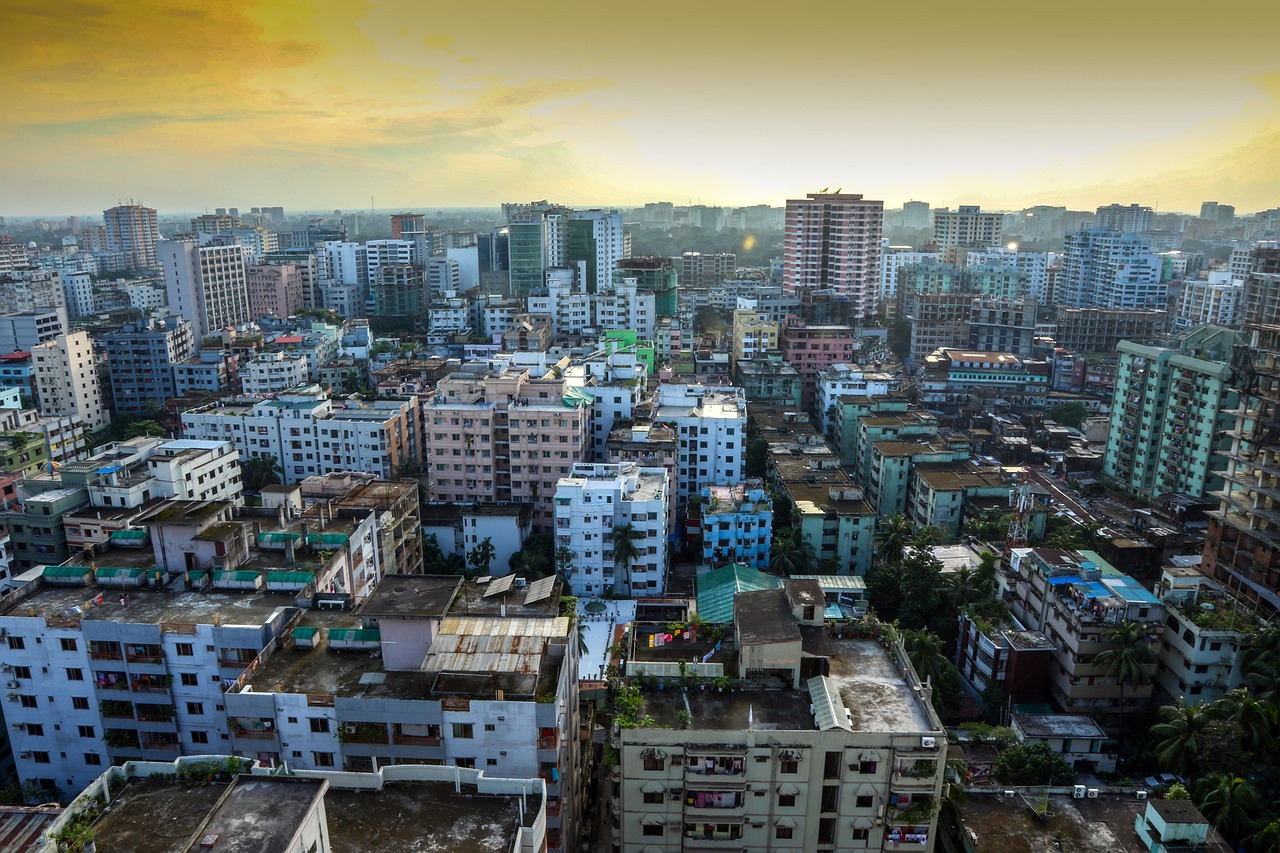
Cleanliness and hygiene quality are low in Dhaka, Bangladesh’s capital city. Dhaka city needs to be cared for. Bangladesh has enough human capital, and it is very possible to have a clean city. But there is a lack of maintaining hygienic conditions in different places, including public places. The washrooms of the National Press Club — for instance — do not have hand soap or detergent. This is the National Press Club, and foreign correspondents visit press conferences here sometimes. Besides, parks, toilets of mosques, restaurants, and many other places in Dhaka lack the desired cleanliness, indicating poor hygiene conditions.
The prominent leaders of the BNP, which came to power through the 13th parliamentary elections held in February 2026, have rightly pointed out that ”our mentality has to be changed” and that focus needs to be given on positive contributions and serving the nation. These are good political reflections in the post-uprising era. Changing mentality can help improve various conditions, including cleanliness and hygiene, in Dhaka city and beyond. It will be helpful to reflect these by the government, public administration, and political parties. The party members of the ruling BNP may play a crucial role in improving the condition of cleanliness in Dhaka city. There need to be recycling bins and campaigns for national hygiene with graffiti and other means.
China has a higher population, and Singapore also has a higher number of people within a limited space, but they can control hygiene and cleanliness. The authorities play their due roles in maintaining cleanliness and making cities clean. Even officers, teachers, and others play responsible roles, and they clean the waste they make themselves. In universities, for instance, teachers themselves clean with students and instruct students to clean trash. More importantly, there is no feeling of hesitation in cleaning their trash with students.
Why not Dhaka? Dhaka needs to start from here. When foreign guests enter Bangladesh, they first arrive in Dhaka, since it is the capital city. What would be the first impression entering Bangladesh? There are beautiful landscapes in Bangladesh, and there is no doubt about it. But Dhaka streets are extremely noisy with horns, and the situation is very chaotic. In Malaysia, the horn is rarely used. If anyone presses the horn in the country, it means perhaps the driver is angry. But in Bangladesh, the horn is very common, which leads to noise pollution. But what are the relevant authorities doing to make Dhaka a clean city?
People are used to the environment of Dhaka city, no matter how much clean it is. But, moreover, compared to Dhaka, Kuala Lumpur has not only a good environment but also maintains good hygiene everywhere. Even the restaurants are under observation with the A, B, C, and D quality — the quality or grading system that classifies items from the highest to lowest standard by condition, purity, or cleanliness — by government officials, such as the Food and Quality Control Department. This strict check and balance system helps control good hygiene across Malaysia.
The government of Bangladesh should have a strict policy for hygiene and cleanliness across the country. But cities, including Dhaka, need to be given emphasis. The relevant authorities, such as the two city corporations and respective offices, need to play their roles and ensure and maintain cleanliness in Dhaka. Their sincere efforts will be enough to do so. They need to act on what the Prime Minister of Bangladesh has said about changing mentality and put emphasis on a clean city. They need to change their mentality and help keep the city clean. This is the common good for everyone, including themselves.
Maintaining cleanliness is important for national health. This can protect city dwellers from various diseases and help improve their minds. Maintaining cleanliness is the responsibility of all. The involvement of political parties can be helpful. There are many examples, including the BNP government’s canal re-excavation program, which has been actively participated in by local leaders and aims to improve water management, ensure irrigation facilities, and reduce waterlogging in the surrounding areas, which indicate how public initiatives by party leaders can be successful.
The ruling party and opposition parties can play a role in ensuring cleanliness — especially in outdoor public places that are open for everyone. Moreover, cleanliness needs to be considered in other cities and beyond. Given that political parties, including the ruling party, have their activists in different areas, they may initiate cleanliness programs in outdoor public places in their respective areas. This will inspire others too.
DISCLAIMER: The views expressed are those of the author(s) and do not necessarily reflect the official policy or position of the Magazine and its editorial team. The views published are the sole responsibility of the author(s).
