

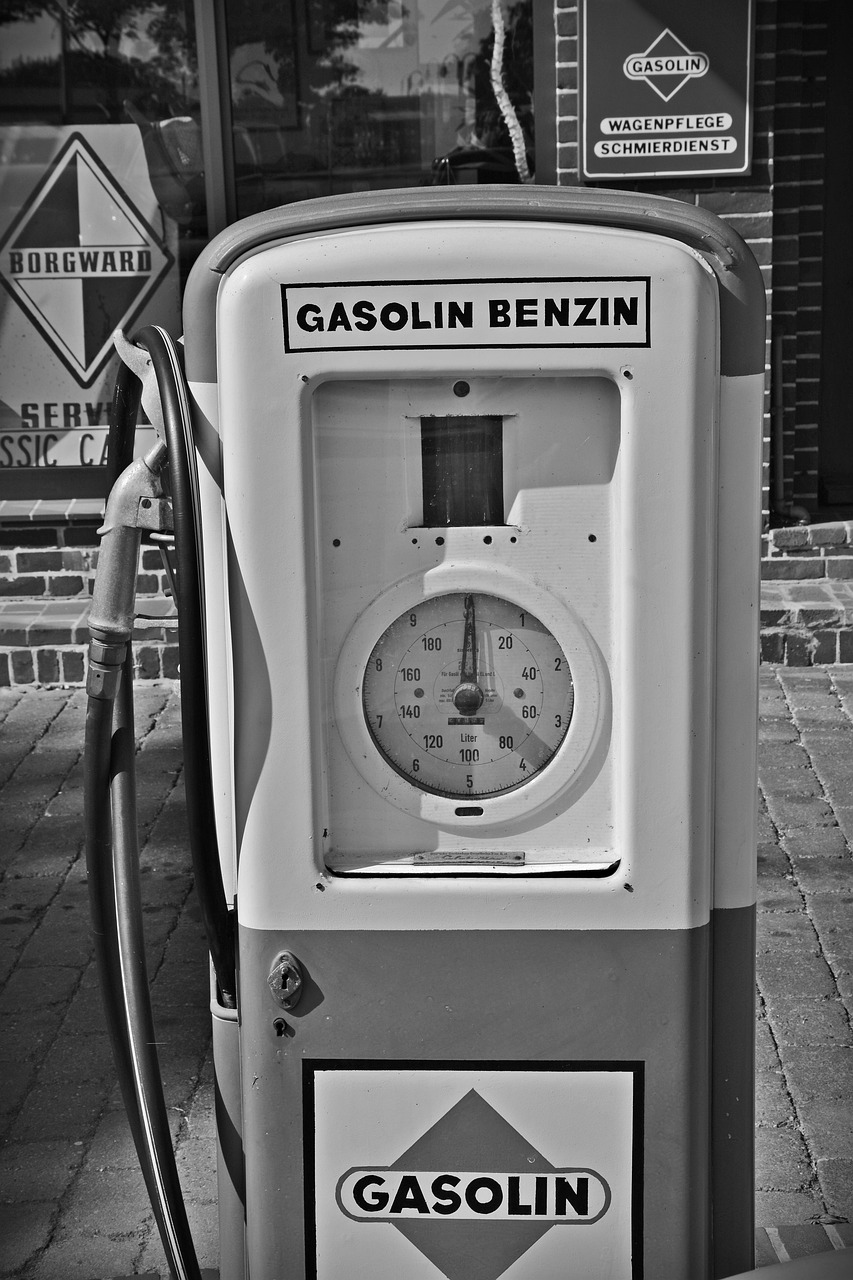
The Iran war has increased living costs globally, leading to concerns. The crisis in the Strait of Hormuz — a vital waterway for oil and gas shipments globally from the Gulf States — driven by the Iran war has increased living costs significantly all over the world, drastically reducing fuel and gas supplies. This has impacts on the lives of many developed, developing, and less developed countries. But how much the rising expenditure of living will decrease remains uncertain to date, since the reopening of the Strait of Hormuz remains uncertain.
The living expenditure has sharply increased all over the world. The price of fuel such as gasoline, petrol, and diesel has, by this time, increased from 10 to 150 percent in different countries, depending on a country’s import dependency and other reasons, including government regulatory measures like subsidies and fuel rationing. While countries including Myanmar, Somalia, Bhutan, and the UAE have seen more than 50 percent rise in fuel prices, countries including the US, the UK, and Japan have seen roughly a 10-20 percent rise. Moreover, the global rise in fuel and gas prices has increased fertilizer costs, utility bills, and the price of groceries, toiletries, and many other goods, impacting the lives of millions across the globe.
But, more importantly, the possibility of a further rise in fuel prices and living costs in different countries — including fuel import-dependent countries — cannot be discarded at all due to the Iran war. There is still no convincing possibility of positive outcomes from frequently halted peace efforts, initiated and facilitated by several countries including Pakistan, Qatar, and Oman, in ending the war soon. Warring parties have so far failed to reach an agreement on ending the war and the Strait of Hormuz crisis due to the frequent resumption of strikes, differing agendas, conflicts of interest in peace terms, and several other reasons, which have not yet been resolved.
But a further increase in fuel prices can lead to more job losses, economic slowdown, and production cuts in many countries. By this time, hundreds of companies worldwide have scaled back their operations and cut production because of the unsettled US-Iran war. But, importantly, further increases in global fuel prices and the prices of other goods can be unbearable, especially for low- and middle-income and fuel-import-dependent countries, including Myanmar, the Philippines, and Somalia, and many of their people, compared to developed nations.
It is desired that measures be taken to address the concerns of rising living expenses and end the US-Iran war earlier. Peace talks need to be ensured between the parties. US-Iran talks on the sidelines of the UN General Assembly, the first significant diplomatic talks between the parties since July, raised cautious hopes — but negotiations dismissed Iran’s specific terms for reopening the waterway. It is vital for the parties to take global impacts into consideration and reach a resolution earlier. The next round of supposed talks, as the US indicated in the meeting, needs to be held earlier.
But governments need to take measures to reduce the impacts of the US-Iran war on rising living expenses. Governments need to take special programs aimed at supporting those who are most impacted by the significant increase in fuel prices and the expenditure of living. Providing direct subsidies to low-income families, ensuring utility caps, securing welfare boosts with upgraded social security nets, and lowering consumption taxes on basic food items can help many. Governments can tax excess corporate profits to fund public.
The crisis on the Bab el-Mandeb Strait, which is related to the Iran war, has been contributing to the rising living expenditure through reducing alternative supplies of fuel during the Strait of Hormuz crisis. To address rising living expenditure, the crisis on the Bab el-Mandeb needs to be ended too. The inclusion of ending the crisis on the Bab el-Mandeb as a condition in the peace terms in the ongoing peace negotiations can be helpful.
Amir M Sayem
Chief Editor
Dhaka Opinion Magazine
