

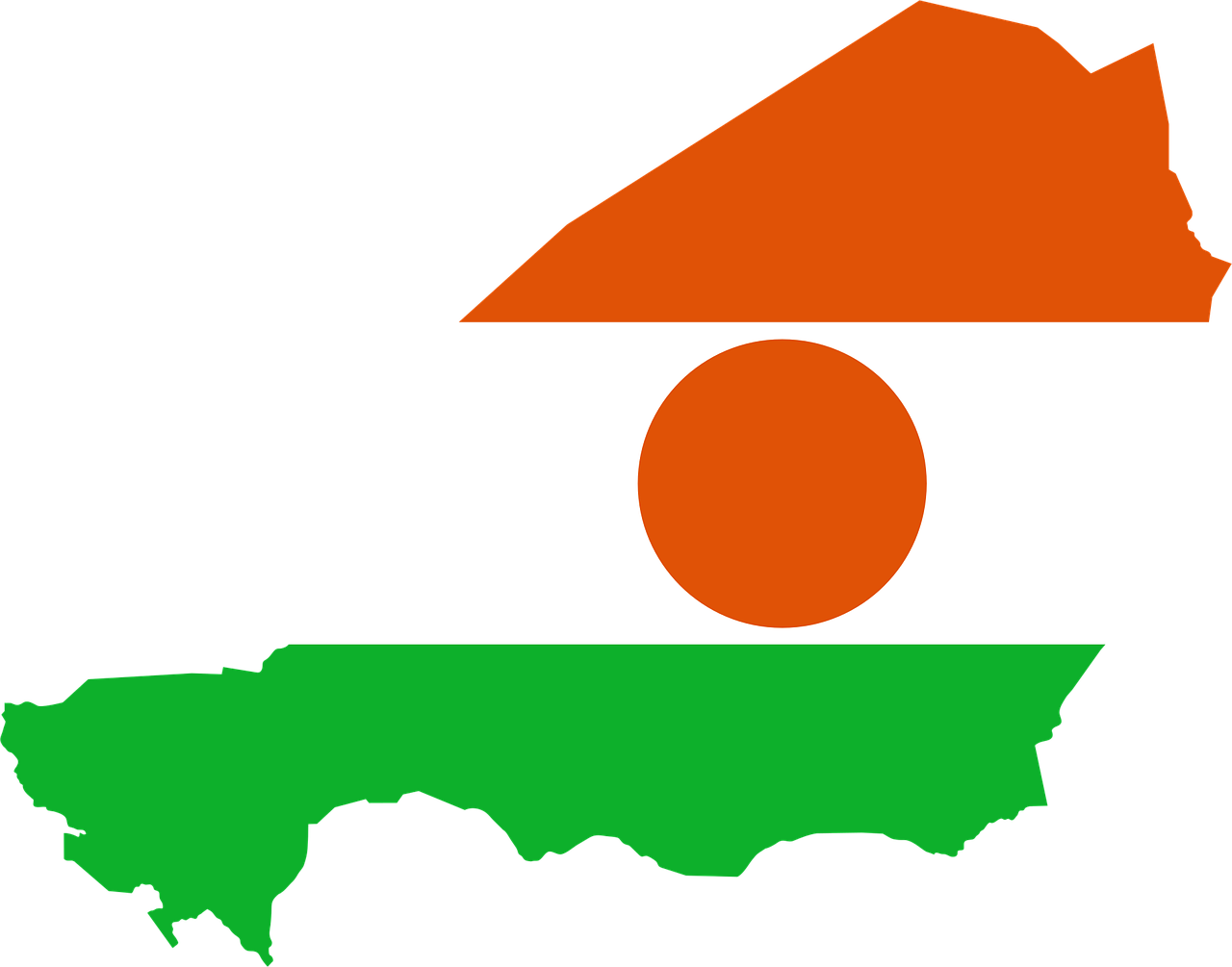
Armed attacks are on the rise in Niger, leading to concerns. As per reports from multiple sources, including the BBC, deadly attacks were carried out at the Diori Hamani International Airport in Niamey, the capital city of Niger, leading to the deaths of thirty-five assailants, soldiers, and civilians. This is the second attack in less than five months. Many such attacks were also carried out in the past, including the one in January 2026, mostly by transnational armed groups, leading to thousands of deaths so far. Armed attacks have increased after the latest military coup led by General Abdourahamane Tiani in 2023 that ousted the democratically elected president. But how much such attacks will end remains uncertain.
Various reasons are responsible for rising armed attacks in Niger. Conflicts between the government and armed groups, Niger’s withdrawal from regional alliances and joint groups, including the ECOWAS, and the lack of strengthened efforts to end conflicts are main reasons for such attacks. Conflicts have been going on for several decades in Niger. Armed groups such as the Islamic State in the Sahel Province (ISSP) — formerly ISGS — and al-Qaeda-linked Jama’at Nusrat al-Islam wal-Muslimin (JNIM) have been actively fighting government forces and targeting civilians for decades. While they are fighting the government, they have rivalries for regional dominance. But other reasons, including political instability and geopolitical complexities, especially after the military coup that ousted President Mohamed Bazoum, have been facilitating such attacks.
Armed attacks are rising in urban centers and strategic locations over the last few years due to the shift in the strategies of armed groups. In addition to the January and the latest attacks in 2026, armed groups carried out a coordinated and overnight attack targeting the Tahoua Airport and Air Base 401 in north-western Niger in March 2026. Along with the shift in strategies of armed groups, the policy change of the junta government has contributed to urban attacks. The ruling junta’s concentration on consolidating power through silencing independent media, crushing basic freedoms, and extending unelected leadership, instead of making much effort to address broader territorial threats, has facilitated the rise.
Hopefully saying, government’s various measures, including targeted military offensives, localized community peace dialogues, and regional coalitions, especially the Alliance of Sahel States (AES) — a mutual defense pact formed by Niger, Mali, and Burkina Faso — have been helping fight armed groups and their attacks. The Nigerien military launched counter-terrorism operations such as Almahaou (Whirlwind) and Niya (Will), aiming to push back armed factions and disrupt militant supply chains in volatile regions in Niger. But there are various flaws in the government’s measures that have made such efforts less successful, though such efforts have repelled insurgent ambushes (such as attacks on the Niamey airbase) and eliminated hundreds of armed operatives in the border regions.
There is over-reliance on military-based efforts, flawed and limited efforts to address porous border threats, and highly fragile and inconsistent cross-border intelligence-sharing. Transnational armed groups such as JNIM and ISSP that operate openly in western Niger, which borders Burkina Faso and Mali, and in the Dosso region, along the border with Benin and Nigeria, easily exploit the vast and unpoliced borders. Moreover, there is weak regional cooperation, due to the official end of military ties with Western allies including the United States and France, withdrawal from the G5 Sahel joint force, and withdrawal from the Multinational Joint Task Force (MNJTF), which has increased the scope for such attacks.
Measures are needed to end armed attacks in Niger. The capacity of the Armed Forces of Niger needs to be strengthened to fight against armed groups, both transnational armed groups and local militias, which are also involved in communal conflicts. But it is vital to strengthen its cross-border cooperation to fight armed groups. The government’s efforts need to be strengthened in at-risk regions — such as Tillabéri, Tahoua, and Diffa regions. But fighting armed groups is probably better when there is an elected government and strengthened armed forces fight together.
But the over-reliance on military-based efforts may not be as successful as desired. Such efforts have failed in many countries, including Nigeria, Somalia and Mali. Talks-based solutions need to be sought too. Talks need to be resumed and held between the government and armed groups, including main transnational groups. But the role of the junta government, which rejected negotiations with militant organizations such as JNIM and ISSP earlier, is vital for this.
