

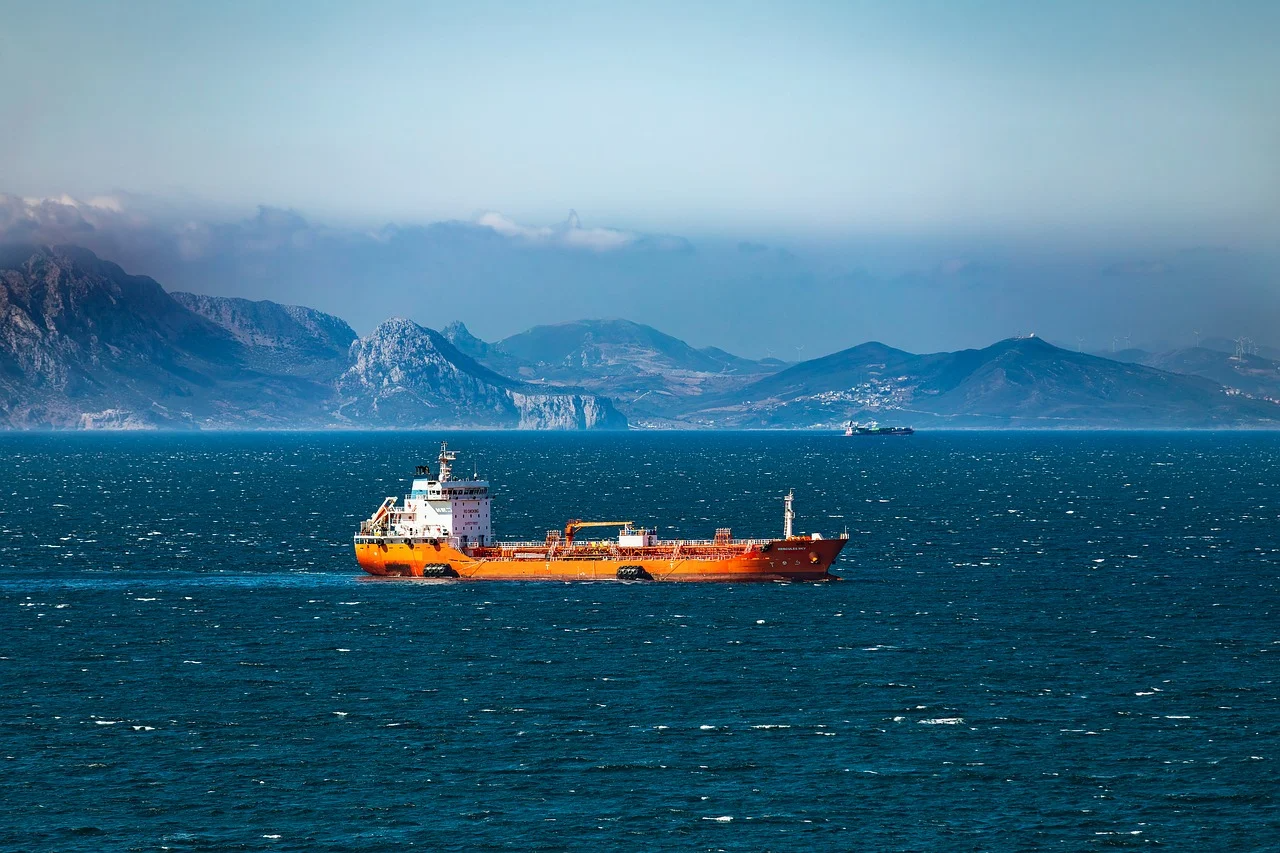
The extension of the 15-day ceasefire is a good development in the Iran-US-Israel war, even if there is no agreement on it yet. But without an agreement, the chance of further escalation remains, leading to concerns. As per the reports of multiple sources, including the BBC and CNN, several military boats of Iran were struck by the US Navy, while Iran attacked a South Korean ship and an oil port in the UAE. Strikes and counter-strikes amidst the ceasefire were carried out after the declaration of the Project Freedom by the US, especially in response to the stranded ships in the Gulf driven by the Iran war, putting its effectiveness at risk.
But it is difficult to resolve the crisis of the Strait of Hormuz, a vital waterway for passing one-fifth of the global oil and liquefied natural gas. Iran has blockaded the Strait since the beginning of the Iran-US-Israel war and — consequently — it has turned out difficult for the ships to pass through it. There are various reasons for the difficulty in resolving the waterway crisis. The differing positions of the parties, such as the US and Iran, over the Strait, its strategic position, importance and impacts on the war and several other reasons can pose challenges. The Project Freedom initiative of the US aims to ensure safe passage for the stranded ships and crews of different nations from the Gulf through the Strait.
But allowing ships to pass through the Strait of Hormuz is vital to reduce the global impacts on oil and liquefied natural gas, caused by the Iran war, which started in late February 2026. But for this, the cancellation of the blockade on the vital Strait by the parties is needed. The war has led to a shortage of oil supplies that has impacted its pricing, living costs and several other aspects all over the world. The sooner the blockade is withdrawn from the Strait, the sooner the shortage of oil supplies will end all over the world. But if it takes time, the impacts can be far-reaching. Here, the project freedom can be helpful to some extent.
But the forceful safety of the stranded ships in the Persian Gulf and the Strait through the project freedom — a US Navy-led initiative — that involves US Central Command (CENTCOM) support to navigate this channel and ensure the freedom of movement for ships, which are running out of food and have remained stranded for months, may unsurprisingly lead to further strikes and counter-strikes with a high possibility of the violation of the ceasefire and the resumption of the war. The US has deployed military forces and increased the presence of military equipment, including warships and missile-guided destroyers, for the implementation of the initiative, while Iran has increased its military activities, including patrols, to prevent shipments through the waterway.
But the US-led Project Freedom for ships was initiated in a tense time. Moreover, not only have there been strikes and counter-strikes during the ceasefire between the US and Iran, but also threats of attacks and counter-attacks have been going on between the parties, increasing the chance of renewed conflicts. While the US has prepared a plan for a wave of “short and powerful” strikes on Iran to try to break the deadlock in the ongoing negotiations and repeatedly threatened to attack Iran if it prevents shipments, Iran has repeatedly threatened to carry out strikes on the ships that pass through the Strait of Hormuz and retaliate against the US blockade by targeting Gulf states.
Amidst these situations, several reasons, including the lack of a permanent ceasefire and conflicts of strategic interests, can increase the chance of further escalation and reduce the chance of reaching a solution to the war — at least somewhat — if the Project Freedom, which the US said it is acting on behalf of different nations to ensure the movement of ships through the Strait, is forcefully implemented. Though the two parties have offered peace proposals to each other and reviewed each other’s proposals, they denied them repeatedly and even canceled supposed talks last month, indicating an insignificant or no remarkable development in the ongoing peace process that aims to find a permanent ceasefire.
It is vital to end the blockade over the Strait of Hormuz as early as possible and make it free for the movement of all ships. This will help reduce the problem of global oil supplies and the impacts of the war all over the world. But talks are needed to be continued between the US and Iran to find an acceptable resolution to the problem of the Strait of Hormuz. The mediating parties need to make efforts to withdraw the blockade, imposed not only by Iran on almost all the ships but also by the US on the Iranian ships, altogether. But emphasis needs to be given to ending the war and finding a peaceful solution, too.
Without reaching a solution to the war or a permanent ceasefire, resolving the Strait of Hormuz crisis may be difficult. The Strait is a vital strategic point for the parties. Iran utilizes it as a major lever of power, a source of economic revenue, a tool for maritime deterrence and a leverage to break US sanctions, while the US uses it to put maximum pressure to halt Iranian oil exports which constitute roughly 80 percent of Iran’s export revenue and force Iranian concessions in the peace terms, making its resolution challenging without a permanent ceasefire — at least somewhat. Yet, the crisis of the Strait needs to be resolved earlier to reduce its global impacts on acceptable terms.
But talks need to continue to reach a permanent ceasefire on the Iran-US-Israel war. The mediating parties need to strengthen their efforts to find an acceptable resolution to the war. The annulment of peace proposals of the parties by each other will not help reach any solution. It will rather delay it. The ongoing ceasefire is desired to be continued unless a peace deal or a permanent ceasefire deal is made by the parties. The goodwill of the parties is vital to reach an acceptable solution to the war.
