

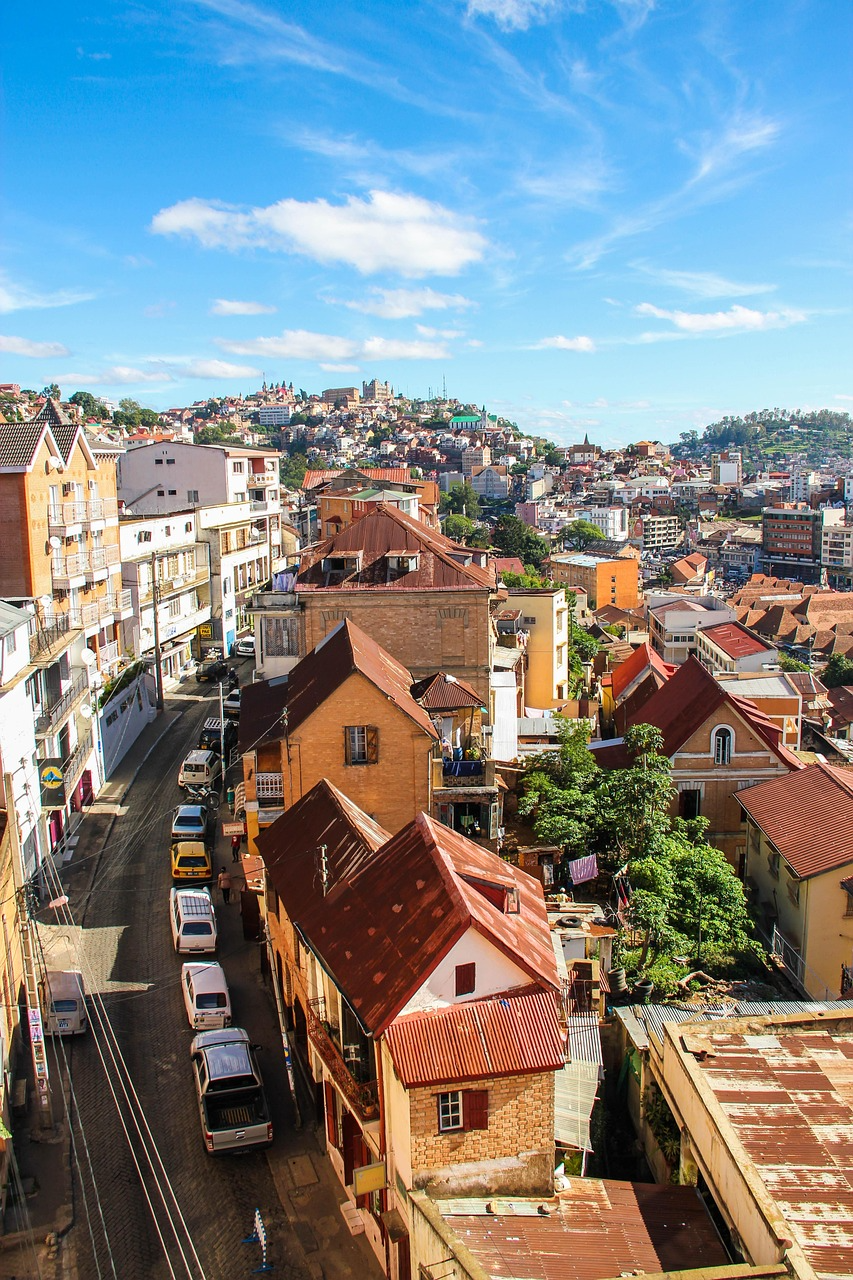
The dissolution of the interim government of Madagascar by the interim head has led to concerns. Interim leader Colonel Michael Randrianirina —the chief of the powerful CAPSAT (the Personnel Administration and Technical and Administrative Services Corps) who came to power through the military coup in October last year that ousted President Andry Rajoeilna — dissolved the entire cabinet and dismissed Herintsalama Rajaonarivelo, the interim Prime Minister of Madagascar. The sudden move is supposed to be made due to pressure from youth activist groups who carried out the anti-government movement before the ouster of the Rojoelina government in 2025. Though the interim government was dissolved, how much the concerns of the youth movement are addressed in Madagascar remains uncertain.
The 2025 Madagascar military coup took place mainly after weeks of Gen Z movement, a movement which has taken place in several countries in the last few years including Bangladesh and Nepal. For various reasons, the youth carried out the movement including the rising poverty, corruption and power shortages in Madagascar. Madagascar is one of the world’s poorest nations and has high-level corruption. Approximately 75–80 percent of its population is living below the international poverty line of a day but, more importantly, this has remained high for over a decade. Rural areas suffer the most in terms of poverty, with extreme poverty driven by several causes including subsistence agriculture dependence, a lack of infrastructure and the mismanagement of government resources in Madagascar.
The interim government has found it challenging, and has so far failed to do anything remarkable, to address the concerns of the movement in the Indian Ocean island due to various structural issues and other reasons, despite high public expectations. Consequently, the interim government itself was later unsurprisingly challenged by continued unrest — leading to further political volatility just months after the ouster of the government in 2025 — in Madagascar. Moreover, the transitional government has faced accusations of cracking down on the youth movement. Several Gen Z activists were arrested by the government in early 2026 on charges of undermining state security, further destroying trust and worsening the situation.
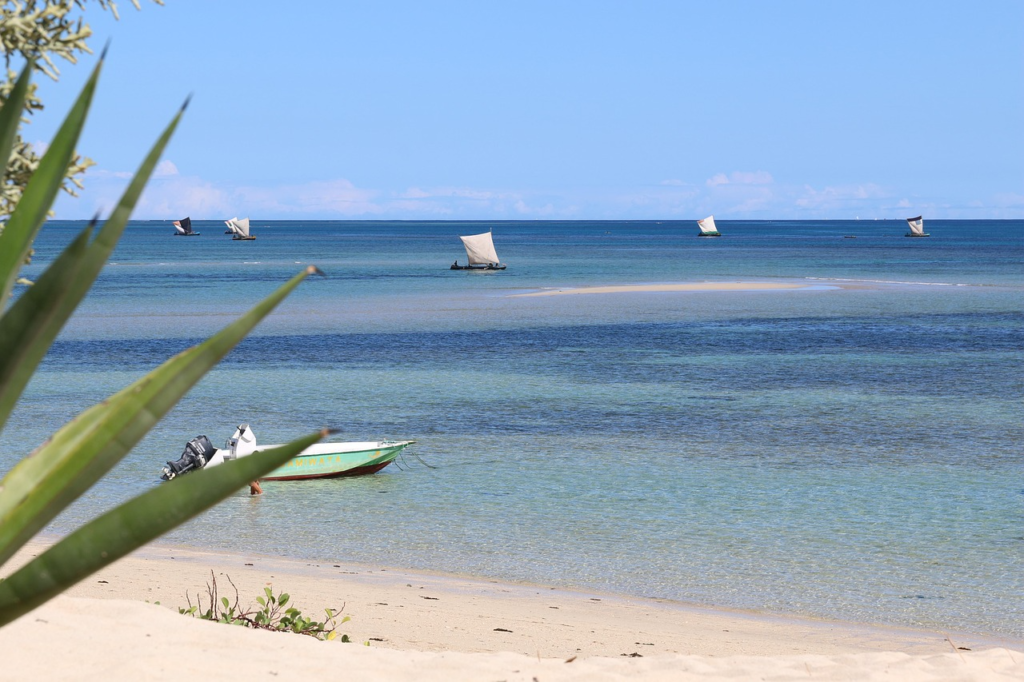
Madagascar (credit: https://pixabay.com/).
But the dismissal of the interim government itself is not a solution to the concerns of the movement, even if it was demanded by the youth leaders, who render the transitional government is a “remix of the old system” rather than a true reformist body. This may not lead to the desired outcomes in political and other terms. Rather, this is marked as a significant and uncertain shift in the ongoing political crisis that began in October 2025. Though the move was welcomed by some as a potential opportunity to reform the interim government for better functioning, it may be a delay tactic to stifle dissent rather than a step toward lasting stability in the troubled nation.
Political instability in Madagascar, characterized by recurring political crises, several military interventions, and unconstitutional changes of power, has led to various negative impacts since its independence from France in 1960. The political instability in Madagascar is compounded by severe poverty, making the government’s ability often challenging to address it. Pertinently saying, the political crisis in 2002 and 2009 and the ongoing political unrest since the late 2025 have historically halted economic progress, caused international aid to be suspended and deepened poverty, along with making it difficult to fight systemic corruption in the country. On the contrary, a stable government can attract foreign investment and implement long-term plans needed to address such concerns.
The government of Madagascar needs to address rising poverty, corruption and other reasoned concerns. Various measures including improving infrastructure (such as roads and electricity), providing entrepreneurial opportunities and expanding social safety nets will be immensely helpful. Addressing corruption itself will facilitate addressing poverty in Madagascar. Holding talks with the youth leaders may help address other concerns and make improvements on many grounds including constitutional reform — which has been given emphasis following the 2025 youth-led movement.
But fighting systemic corruption and addressing poverty, along with making structural changes, is a long-term process for any country including Madagascar. Even if reforms in the national constitution and a major overhaul in the electoral system are made as they are supposed to be, with national consultations, during the interim government, their sustainable implementation and desirable success will require long-term approaches to making the desirable changes in political and governance culture and ensuring political stability in the nation. For this, an elected government an is needed earlier and will help.
Though the military leader proposed a two-year timeline for reform and elections, this roadmap is often seen as a way to formalize the unconstitutional seizure of power in Madagascar, where coups have taken place several times and the military has been playing as a significant political player for a long. The interim government needs to hold elections, which are supposed to be held in early 2027, timely so that an elected government is in place.
