


Conflicts between Israel and Lebanon have led to concerns. As per the reports of multiple TV channels and newspapers including the BBC and CNN, renewed conflicts that started between Israel and Lebanon especially Hezbollah immediately after the beginning of the Iran-US-Israel war have led to more than 500 deaths and the displacement of hundreds of thousands of Lebanese. Even if a ceasefire was reached over the Iran-US-Israel war, the strikes of Israel on Lebanon have been continuing, leading to rising tensions. Though Israel and Lebanon have agreed to meet in Washington to seek an announcement on a ceasefire between the parties and a date to begin direct negotiations, the problem can persist.
There are various reasons for conflicts between Lebanon and Israel, which have fought several wars. Historical rivalries, conflicts of interest and other reasons have been playing a vital role. The involvement of Lebanon especially Hezbollah in the Iran-US-Israel war is due to historical rivalries with Israel and close ties with Iran. Since the latest war between Lebanon and Israel is a part of the Iran war, the ceasefire includes Lebanon too. But the continuation of strikes in Lebanon by Israel — even after the ceasefire on the Iran war — is rendered a grave violation and has unsurprisingly led to criticisms and anger from several parties including Pakistan and Iran, though the US and Israel have said the ceasefire does not include Lebanon.
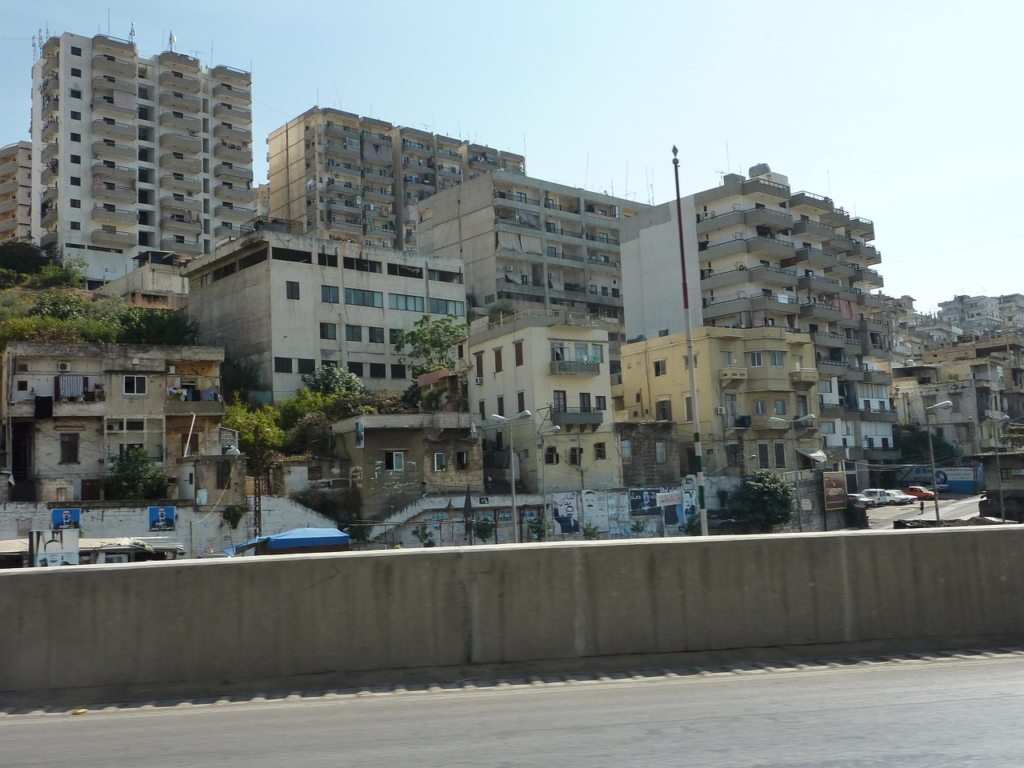
Lebanon (credit: https://pixabay.com/).
But amidst the strikes of Israel on Lebanon without implementing the ceasefire, the positive side is that the two parties, especially the government of Israel and the government of Lebanon, have agreed to hold talks, a rare event, to reach an agreement. Both Israel’s and Lebanon’s ambassadors to the US have agreed in a first phone call to meet in Washington. This is yet a good development in the war and can reach peace in Lebanon, at least a ceasefire on which the parties have put emphasis. Israeli Prime Minister Benjamin Netanyahu had authorized direct talks with Lebanon on the conflict. But how much peace is possible in Lebanon without involving Hezbollah in the peace talks remains doubtful.
There are various reasons that can put hindrances to lasting peace in Lebanon, if the non-state group is not taken into the peace talks. The non-state group, a Lebanese group, has been in Lebanon for decades and has been fighting against Israel. Though the group is provided with logistics and finance, including weapons, it has developed its own capacity and acts as a “state within a state,” holding a monopoly on military power in southern Lebanon. It maintains a significant role or veto over Lebanese political decisions and — more importantly — it is difficult to implement any peace deal between the Lebanese government and Israel without the group.
The non-state political and armed group in Lebanon has already rejected the peace talks between the Lebanese government and Israel. Moreover, there will probably be no other way to ensure and implement peace, even if Israel and the Lebanese government reach an agreement other than completely or significantly erasing the group, which has significant military power, if the group is not involved in talks. Moreover, it is difficult to completely erase the group without a war. But if the government of Israel wants to completely disable the group, it needs to wage a long war, which can be more devastating than Gaza.
A devastating war is not desirable. But, for this, the war between Lebanon and Israel needs to be ended and Israel’s ground invasion needs to be stopped. It is probably better if the ongoing ceasefire reached on the Iran-US-Israel war includes the war between Israel and Lebanon. This will help save the lives of many and prevent property damage. Moreover, this will help reach more acceptable peace terms by the parties through further talks and find a solution that is more likely to be implemented and lead to a lasting peace.
But the ceasefire deal alone, whether the ongoing ceasefire is implemented or another ceasefire is reached, is not a permanent solution. Further peace measures are needed to find a more acceptable solution between Israel and Lebanon. Holding talks involving all parties will help address different conflicts of interest including the armed presence of Hezbollah, disputed borders and Israel’s unilateral strikes in Lebanon. But a commitment of the parties is vital.
