


The Iran-US-Israel war has been going on for more than a month without any indication of its ending. But, hopefully saying, as per the reports of multiple sources including the BBC and CNN, peace efforts have been going on to end the Iran war. Several parties including Pakistan and Egypt, along with support from China, have been working as peace mediators and continuing peace efforts especially informally, which have been given a positive nod from the parties including the US. But the meagre efforts have not yet reached any promising outcomes, leading to concerns and the continuation of the war, and —moreover — a 45-day ceasefire proposal was rejected by Iran, indicating the end of it is somewhat uncertain.
There are various challenges to peace in the war due to not only the differing preferences of the parties but also other challenges. While the US has proposed a 15-point proposal, Iran has offered a ten-point proposal. Among the conditions, the abandonment of Iran’s nuclear program and limiting its ballistic missiles, which were on the negotiation table before the war Iran began, are notable. Allowing the Strait of Hormuz to reopen has been added amidst its closure after the war’s commencement. But, on the contrary, Iran has provided counter-offers, initially five and later ten-point proposals, including the end of the acts of “aggression”, no recurrence of the war and the ending of the war across all fronts involving all resistance groups.
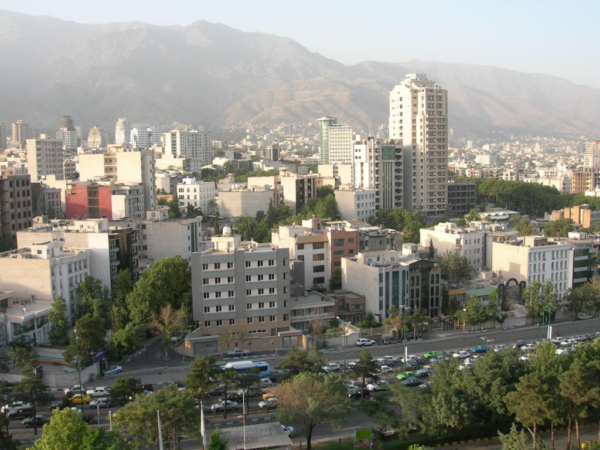
Tehran, Iran (credit: https://pixabay.com/).
There are several peace offers from both parties that have positive implications and can help reach peace in the region — which has been facing conflicts for several decades — in a lasting manner. Ending the Iran-US-Israel war completely and ending all regional conflicts will not only help reduce the chance of further conflicts but also lead to peace in the entire region. Moreover, there are some other promising proposals including ending Iranian strikes on regional energy facilities, the reopening of the Strait of Hormuz and ensuring a system for the safe movement through the Strait that can help reach a lasting peace, ensure energy supplies and reduce global impacts.
But various peace proposals including the US offers on Iran’s nuclear and missile programs are probably difficult to ensure because of the possible impacts on Iran’s capacity and unwillingness of Iran amidst geopolitical rivalries and competition, the lack of trust between the parties and several other reasons. Unsurprisingly, Iran did not accept these proposals earlier especially at pre-war negotiations and has rejected the 15-point US proposal. But the complete control of the Strait of Hormuz by Iran especially during peacetime appears against international laws and norms. The strait was used as an international route for the shipment of oil and other goods before the war, though Iran had certain control over it.
But peace efforts need to be continued and strengthened to end the Iran-US-Israel war. The resolution of the war needs to be the one that ends the conflicts altogether including proxy wars and reduces the chance of further wars in the region. The desirable solution also needs to ensure the sovereignty of all parties in the region, bring peace in the Middle East without incapacitating any of the parties from protecting their own people from future foreign aggression and end the killing of leaders. No less important is that oil and goods ships need to pass through the Strait of Hormuz without any fear — at least during peacetime.
Though no party has yet won the war, all warring parties have differently encountered loss including deaths and property damages. But Iran has encountered more harm and unbearable losses on several grounds. Iran has lost its leaders including several top political and military leaders and encountered significant losses in other terms. Though the commitment of all parties is vital to reach an acceptable solution, the US and Israel consequently need to demand less from Iran.
Amir M Sayem
Chief Editor
Dhaka Opinion Magazine
