

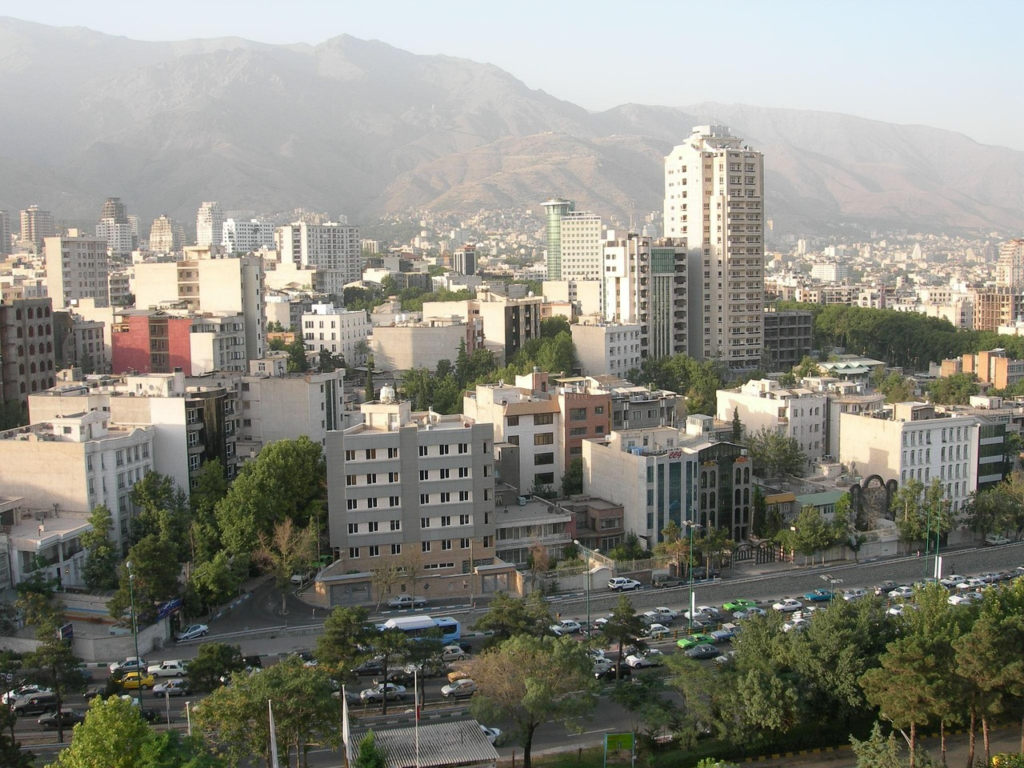
The escalation of Iran versus the US and Israel amidst the ongoing Iran-US talks has led to concerns. As per the reports of multiple sources including the BBC and CNN, conflicts began after the US and Israel carried out unilateral and unprovoked strikes on Iran. Iran carried out retaliatory strikes against Israel and several US military bases in several Arab countries including the UAE, Iraq, and Qatar. While there are around 200 deaths in Iran including the supreme leader Ayatollah Ali Khamenei, former president Ahmadinejad and many high ranking military officials, there were dozens of deaths in several other countries including Israel. Strikes and counterstrikes have cancelled the chance of reaching a deal but whether conflicts will end soon remains uncertain.
Various reasons may put hindrances to immediate peace. The desire of the US and Israel for Iranian regime change, the destruction of Iran’s ability to produce nuclear weapons and weakening Iran may lead to further attacks. The US and Israel — pertinently saying — have been seeking regime change in Iran for decades, though inconsistently. The weakest position of Iran because of the economic impacts of mounting western sanctions, the US-Israel military attacks in 2025 on nuclear facilities and the latest anti-government movements, though these were strictly controlled, was utilized by the parties in a planned manner. Given that the supreme leadership is changed but not the Iranian regime, the US-Israel attacks may continue to further weaken the regime and the Iranian military capability.
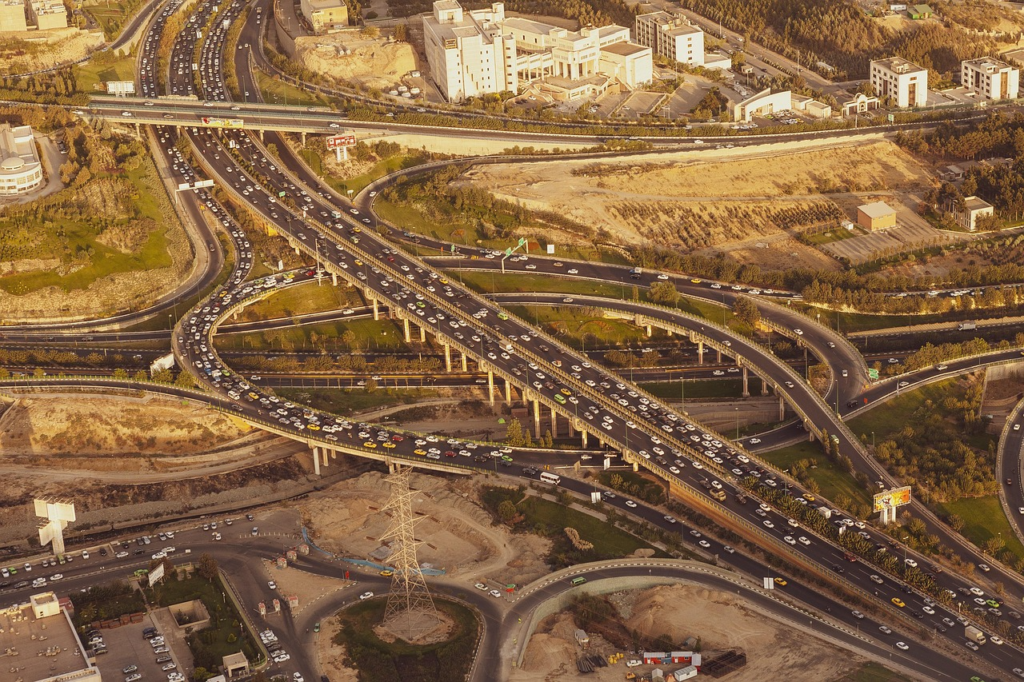
Tehran, Iran (credit: https://pixabay.com/).
Contrarily, Iran has no alternative but to strike back at Israel and US bases and warships in the Middle East. Iran will probably continue to strike back for various reasons including its survival, protection from the US-Israel threats to its collapse and revenge. Iran has already lost several political leaders and many military officials. Iran will not digest these losses and said so after the US-Israel attacks and the death of the supreme leader, rendered a hardliner to the west but a hero to most Iranians and many Muslims outside Iran, though hundreds of thousands of people came to the streets against the regime during the Women’s Rights Movement in 2021 and the Anti-regime Movement in 2025-26.
But —moreover — a pertinent side is whether and how much the US-Israel strike on Iran is justified because of the perceived and unjustified need to end the nuclear program and reduce striking capabilities. Given insecurities and rising threats and the need to protect people, every country has the right to develop its system to the extent that it is effective in ensuring its sovereignty. This is guaranteed when ”sovereignty” is acknowledged in many international laws and treaties, including the UN Charter. If the US, Russia, Israel and several other countries have the right to develop nuclear weapons, it remains completely unjustified to claim that other countries having no nukes do not have the right to develop such weapons.
The US and Israel have repeatedly claimed that Iran’s military capabilities are ”security threats”. But these threats claims remain unjustified, or at best unilaterally justified, and reflect the power and ability of the two countries that deny international laws and norms, not the reasoned security interests of the other party. These claims can also be made against the US and Israel. Iran can claim that it is threatened by the military capabilities of Israel and the US. The claim that Iran should have conducted pre-emptive attacks on the US and Israel is also right on the same grounds. Might is acting like the right to attack Iran, not reasons or reasonable justifications.
But, optimistically saying, the world has progressed much. Many international treaties and conventions including the Geneva Conventions have been reached and international and regional organizations have been developed after the destruction of World War I and II — which led to the deaths of nearly 90-100 million people. The development of treaties and institutions provides better protection on various grounds, reduces the risks of anarchy and provides opportunities to mitigate tensions through preventive diplomacy and talks.
The end of the conflicts is desirable. But unless the fundamental concerns such as ”security threats” are reasonably and mutually justified, such unjustified conflicts are less likely to end. The world needs to do a lot. It needs to redefine security threats of one country from another and establish the systems that respect security from mutual grounds, rather than from the lens of powerful countries alone. Every country, regardless of region and religion, has the right to ensure its own sovereignty. The world system must ensure this for all.
