

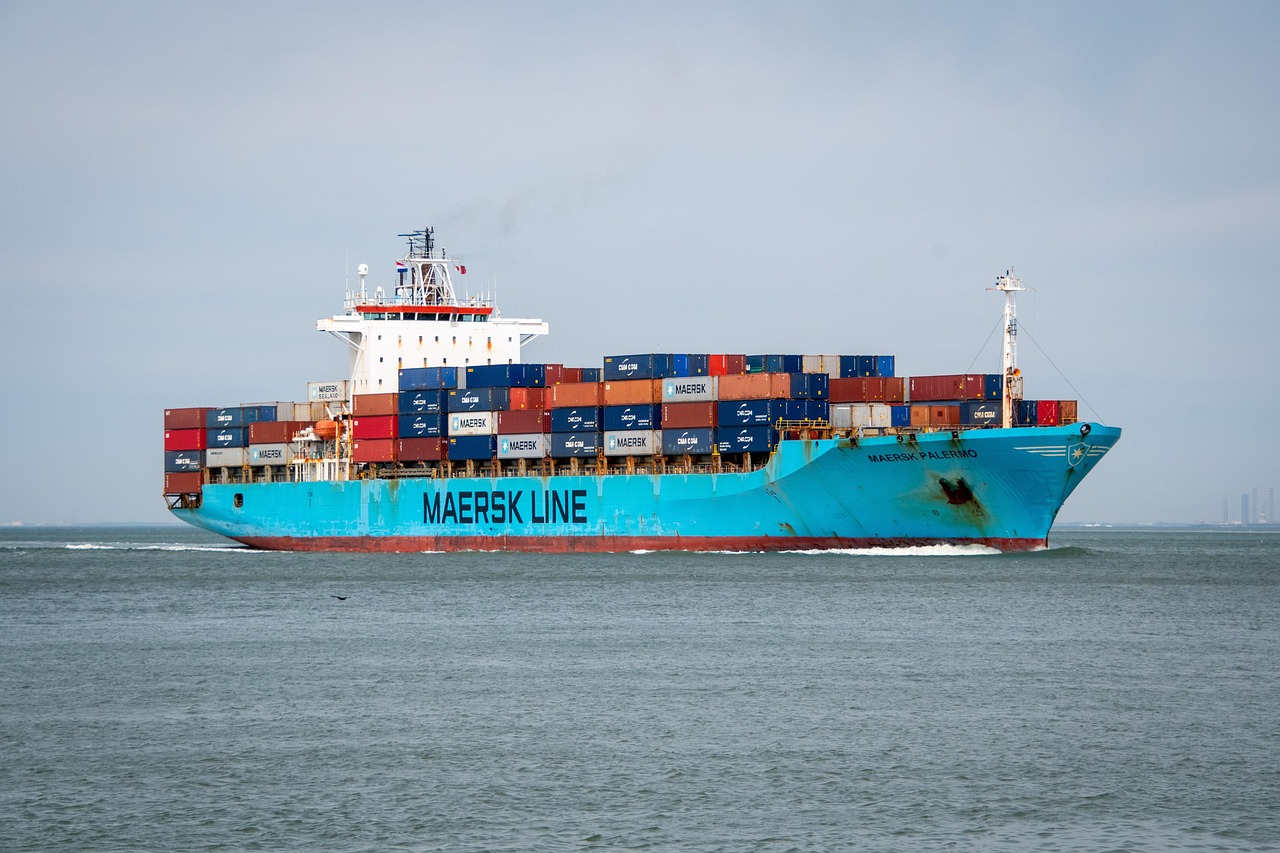
Rising maritime piracy by Somali pirates has led to concern. Maritime piracy has increased in Somalia over the last few years. But it has increased amid the shipping crisis in the Middle East due to the Iran War. Two cargo vessels were seized in the Gulf of Aden within four days last week, rising to 13-15 attacks or targeted incidents — as of mid-2026 — and leading to the biggest escalation in maritime hijackings in more than a decade. This has increased threats to shipping, which is already under pressure in the Gulf of Aden. However, uncertainty remains about how much this maritime escalation of hijackings will be addressed.
Maritime piracy is not a new problem in Somalia. It is a major problem and takes place regularly because of a complex mix of domestic economic collapse, foreign maritime exploitation, a severe governance vacuum, a lack of strong political will, and shifting global security priorities. Hundreds of attacks and incidents took place per year by Somali pirates in the Gulf of Aden and off the Somali coast during the peak era (2005-2012). The latest rise in pirate attacks is due to regional geopolitical conflicts and reduced international naval patrols. But the latest surge in maritime piracy during the US-Iran war has led to renewed concern about regional security regarding international trade, including the trade of oil and gas.
But governments and international bodies do not stay idle. They combat Somali piracy through naval patrols of multilateral task forces, regional capacity-building, bilateral defense pacts, and legal enforcement. The EU Operation Atalanta, the US-led Combined Task Force 150, and joint operations of Somalia and Turkey have reduced piracy much. But a recent surge in 2026, which is facilitated by diverted Western warships inside the Red Sea and Gulf of Aden, driven by the US-Iran-Houthi conflicts, and resulted in unprecedented drone strikes against the pirates, proves that piracy has become highly adaptive compared to its absolute peak in 2011.
Rising maritime piracy needs to be addressed. Strengthened maritime patrols are needed to address it in the Gulf of Aden and the Somali coast. Increased EU Operation Atalanta, along with increased joint operations by Somalia and Turkey, will be helpful amidst the heightened shipping risks in the Gulf of Aden and the Somali coast. Continued pirate attacks can discourage and reduce the number of shipments, including shipments of oil and gas — which are already facing severe difficulties and constant risks — especially through the Gulf of Aden, mainly due to the US-Iran war and the embargo imposed by the Houthis on Saudi-linked vessels.
But Somalia needs to be able to address its piracy. For this, a strong and effective political commitment and improved capacity are vital. Notably, the federal government has a formal political commitment to fight maritime piracy in Somalia. The Somali Federal Parliament passed a comprehensive revised Anti-Piracy and Anti-Kidnapping Law in 2025, reflecting its strong and united political commitment. But the execution of the political commitment is heavily constrained. Intense governance gaps and regional friction often limit the ability of the government.
There are deep political disputes between the federal government in Mogadishu and regional authorities like Puntland that hinder coordinated maritime security and enforcement. Moreover, there is involvement of many stakeholders, including militia commanders, clan elders, and corrupt officials, in maritime piracy due not only to financial profit but also to political leverage and the exploitation of weak state governance — which often tests the government’s political commitment in fighting maritime piracy in Somalia. But without a strong and effective political commitment, it is difficult to address these challenges and reduce maritime piracy.
There are other causes of the Somalian maritime piracy. Decades of civil conflict after the 1991 overthrow of then-President Siad Barre have left Somalia with high unemployment and widespread poverty, affecting the lives and livelihoods of many in Puntland and central Somalia. These core driving forces help propel individuals, including young fishermen, into maritime piracy networks. Strong political commitments will help address the causes, provide alternative economic opportunities, and reduce the need to become pirates.
