

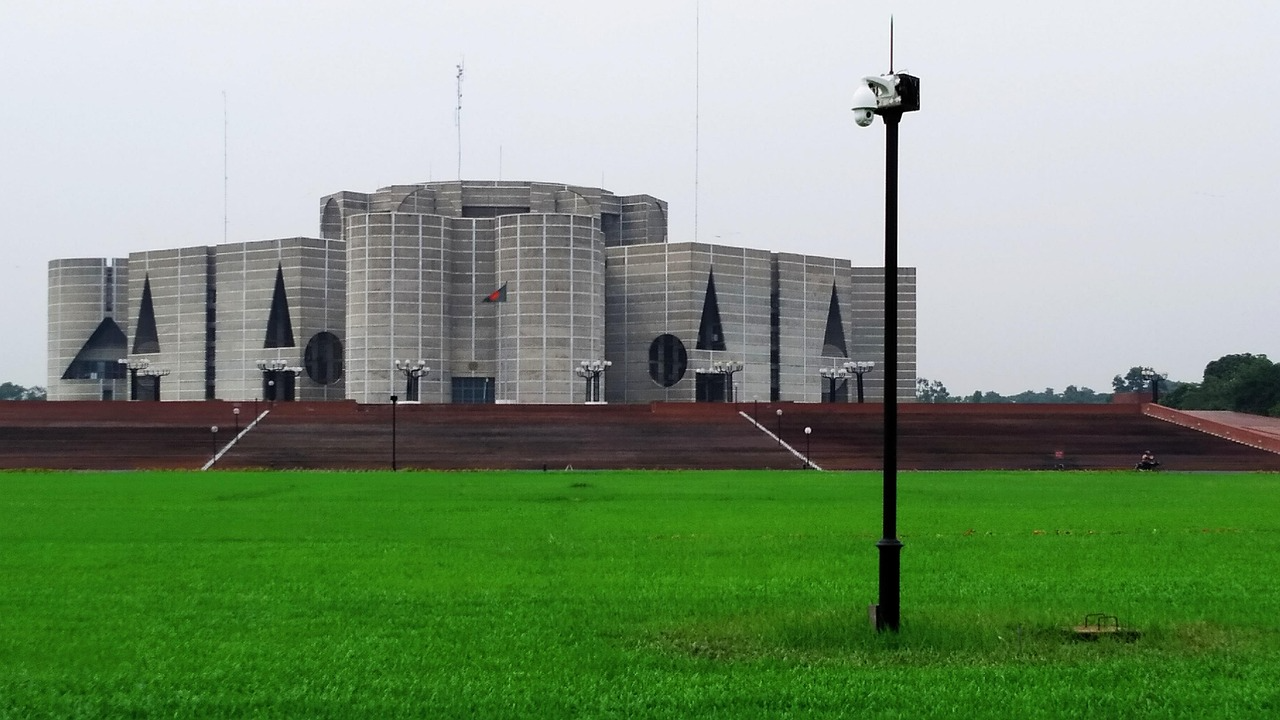
The reformed caretaker government has a high chance of appointing acceptable caretaker advisors and free, fair and credible elections in Bangladesh. In the reformed system, changes were proposed during the interim government. As per multiple sources including the BBC and CNN, while the last retired chief justice was appointed as the Chief Advisor in the earlier caretaker government — reinstated by the Supreme Court in 2025 — proposed reforms require a consensus-based appointment by a five-member committee consisting of the Speaker (head), Prime Minister, Leader of the Opposition, Deputy Speaker, and a representative from the third-largest party. The selection of the head, who will choose other advisors in consultation with the selection committee, and other advisors is now more rigorous.
But the reformed electoral government may not hold free, fair and credible elections always, even if it is better than the party-in-power government and the earlier caretaker government, and can lead to manipulated elections and electoral outcomes due to inherent flaws in the system, the chance of foreign electoral interventions and other reasons. It may not be surprising altogether if the finally appointed caretaker head and other advisors (at best 15), even if they are selected through the rigorous process, serve the interests of a particular political party during elections and manipulate the electoral outcomes. The chance of it remains due to various causes within the country including the lack of checks and balances and the interests and conspiracy of powerful non-political actors.
Dhaka, Bangladesh (credit: https://pixabay.com/).
But — more importantly —foreign electoral interventions by powerful countries, global and/or regional, are not surprising at all under the reformed government system too. Electoral interventions take place in many countries but politically underdeveloped countries are more vulnerable, as political parties unjustly want to come to power and have a mentality of suppressing rival parties and other actors take the opportunity in such countries. But such interventions are highly likely to be successful when there are only non-party advisors in the government during the elections, though such interventions take place in the party- in-power government system too. There were complaints of foreign electoral interventions during the caretaker government in Bangladesh, though these were not often reported in the media.
No less important is that the reformed government can suppress and weaken political parties and leaders in the long run. Every five years, the non-party government will have almost unchecked opportunity to manipulate power and take actions against certain political parties and leaders driven by their ill intention, foreign intention, the conflicts of interest between political leaders and non-party groups or groups of citizens, rivalries among political parties and other reasons. Pertinently saying, one of the main reasons for the underdevelopment and suppression of political parties and leaders in Pakistan is the unchecked non-party caretaker government system that gives the Pakistan military the opportunity to decide which party to win the elections.
Geopolitical complexities in the South and Southeast Asian regions may make Bangladesh more vulnerable to foreign electoral intervention and the suppression of political parties and leaders — which often create the ground that facilitates foreign powers to realize their national interests and make favorable policies in target countries. Due to the lack of desirable checks and balances within the reformed system regarding its chance of misusing power against political parties and leaders, foreign powers may consistently use the scope. Consequently, it may not be surprising if political parties become more dependent on foreign powers to come to power and there are negative impacts on the Bangladesh military, which has played responsible roles many times, in the long run.
The caretaker government is needed in Bangladesh for free, fair and credible elections. But the concerns raised need to be addressed and it is vital to ensure desirable checks and balances within the system so that the electoral government cannot suppress any political party or leaders. Since the reformed system has not yet been passed in the parliament, there is a scope for addressing concerns. For this, at least one-third of advisors need to be preferred by political parties. One-third of the advisors may be acceptable political leaders preferred by major political parties or acceptable non-party citizens preferred by major political parties.
There are geopolitical challenges for all countries. Bangladesh is not an exception here. Moreover, foreign electoral interventions are not given to Bangladesh alone. But measures are needed to prevent such a scope. The inclusion of several political parties’ preferred political leaders or, at least, their preferred non-party advisors can act as effective checks and balances within the government and thwart any move to manipulate elections and take unreasoned actions against certain political parties or leaders.
Amir M Sayem
Chief Editor
Dhaka Opinion Magazine
