


Kidnappings are on the rise over the years in the Sahel region — one of the most conflict-prone regions all over the world — leading to concerns. As per the reports of multiple sources including the BBC and CNN, conflicts and kidnappings have been rising in the Sahel region and several states especially Mali, Burkina Faso and Niger often record higher kidnappings. Along with the kidnapping of thousands of locals every year, foreigners including tourists, miners and those involved in the construction and aid activities are being increasingly kidnapped in the region, with a major spike in 2025. But kidnappings often lead to the killings of those who are kidnapped.
There are various reasons for the rise in kidnappings in the Sahel region, where conflicts have been going on for decades. Financial gains, the presence of terrorist groups and the withdrawal of international counterterrorism support and the resulting security vacuum are major reasons for the increase in kidnappings. Kidnappings are done for ransom but foreigners are especially vulnerable due to their high value. The kidnapped Emiratis had been released in exchange for a multi-million dollar ($50m) ransom. Moreover, there is a close link and cooperation between organized criminal networks and militant groups. The pervasive issues of weak governance, corruption and an insufficient state presence especially in remote areas make it easier for criminal groups to operate with impunity and conduct kidnappings.
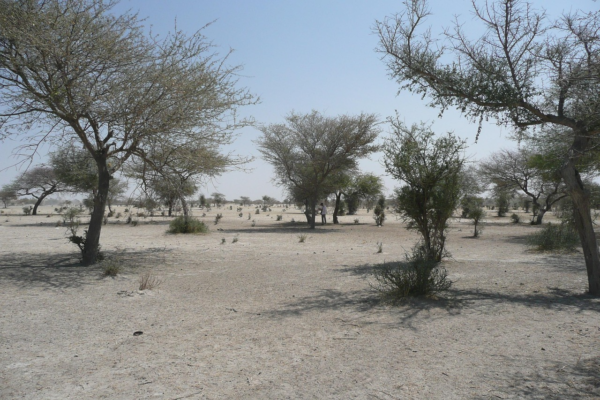
Sahel (credit: https://pixabay.com/).
But — importantly — armed conflicts involving government forces, militant groups including al-Qaeda affiliate Jama’at Nusrat al-Islam wal-Muslimin (JNIM) and the Islamic State in the Greater Sahara (ISGS) and local militias have been playing a pivotal role, not only in rising kidnapping but also in causing other organized crimes including drug-trafficking. Though organized crime groups have initiated kidnapping in the region, armed conflicts have expanded it. Criminal groups kidnap victims and often sell them to terrorist organizations. Consequently, kidnappings are now intricately linked to the broader and violent competition in the region. Moreover, the kidnapping for ransom remains a source of revenue for different groups including militant groups. The JNIM gets around 40 percent of its annual revenue from ransom.
Efforts are not absent against kidnappings, which are used to impose control, intimidate local communities and eliminate opposition too. Various efforts are helping fight kidnappings in the Sahel region. But there are various flaws in the efforts. Joint patrols and task forces, cross-border cooperation, operational tactics (such as exchanging liaison officers between countries), legislative reforms and community-based initiatives have been playing a role. Pertinently saying, Sahel countries including Burkina Faso, Mali and Mauritania are enhancing (sub)regional cooperation through initiatives like the G5 Sahel to improve regional security control and coordination. But there are flaws in the efforts, leading to limited outcomes.
Counter-kidnapping strategies and approaches have often prioritized military operations in the Sahel region. Moreover, many anti-kidnapping operations are reactive rather than proactive, though proactive measures are vital to reduce the chance of kidnapping, and focus on high-value targets such as foreigners. Consequently, the broader and localized kidnapping networks that often target local residents are less addressed. Moreover, emphasis is given less on community policing and addressing other reasons such as socio-economic and political grievances like poverty, unemployment and marginalization that facilitate recruitment in the militant and criminal groups. But, importantly, the armed conflicts that play the pivotal role in growing kidnappings in the Sahel region are less addressed.
The kidnapping of foreigners and locals needs to end. But for this, carrying out military-based efforts is vital. Dismantling organized crime groups and their connection to armed militant groups is needed. Though efforts are underway to strengthen bilateral and multilateral relations to track kidnapping networks that operate across borders, they need to be ensured. Emphasis needs to be given to several countries including Mali and Niger — where most of the kidnappings occur. Emphasizing community policing and mitigating underlying reasons including poverty is vital.
But, moreover, it is vital to end armed conflicts in the Sahel region. This will help not only reach peace but also reduce kidnappings largely. Though military-based measures are needed to prevent the attacks from the non-state armed groups, emphasis needs to be given to talks-based resolution of conflicts involving all parties. For this, local and regional peace mediation measures need to be emphasized and the parties need to be brought to the discussion tables.
