

Though a temporary 15-day ceasefire was reached on the Iran-US-Israel war, there is not yet a permanent ceasefire of it, leading to concern. Positively saying, the temporary ceasefire, which was supposed to end yesterday, has ended the war — started with US and Israeli attacks on Iran in late February — till the date, leading to a respite, not only for Iran, the US, Israel and other Arab countries but also for other nations. The continuation of the ceasefire until a peace deal is reached is another good development and will help reach and maintain peace. But without a permanent ceasefire or a peace deal, the risk of the resumption of the war remains.
Though both parties have accused each other of violating the ceasefire, it has not so far significant and threatening. The positive side is that the peace process is ongoing, even if there is no deal yet, and the parties are probably unwilling to continue the war. During the temporary ceasefire, the US-Iran peace talks were held in Islamabad involving officials of the parties including the US Vice President JD Vance and Iran’s Foreign Minister Abbas Araghchi. The US decision to extend the ceasefire, even if Iran avoided the supposed talks at the final hour due to the US blockade of the Strait of Hormuz, is probably a clear indication of the low possibility of the war, though threats and counter-threats are often exchanged.
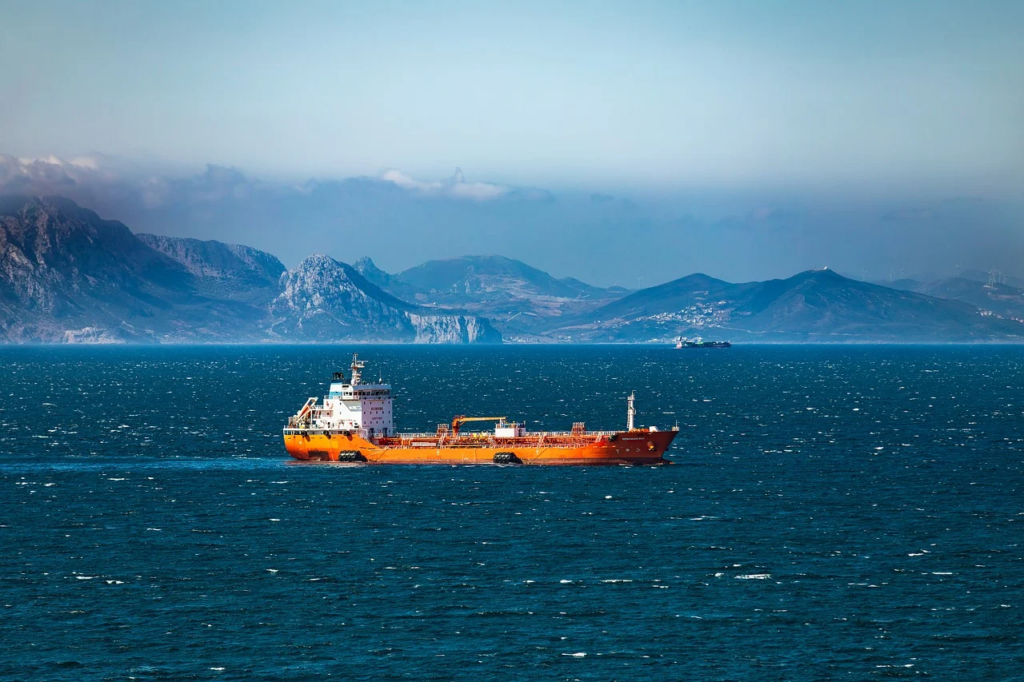
Oil tanker (credit: https://pixabay.com/).
But there are several challenges and differing positions on the terms. The differing positions remain on ending the nuclear program of Iran and its support for proxy groups in the Middle East. These are vital points — which the US demanded to be included in the peace deal — but are difficult to resolve. The parties have so far been insisting on their respective positions on these due to various causes including their geopolitical rivalries and threat perceptions. Moreover, the Strait of Hormuz remains blocked by the parties, making it difficult for ships to pass through. While the US insists on keeping the blockade to pressure Iran to accept its terms, the latter considers withdrawing it a precondition to negotiations.
But a vital side is whether and how much their differing positions can prevent reaching a peace deal on the Iran war. Differing positions have not only left the sides without any peace deal yet but also can prevent further negotiations and reaching a peace deal, even if negotiations are held, given that these are not addressed. But there is another side to the concern over the delay in reaching a deal and blockading the strait that needs to be noted here. The resumption of the war and the continuation of the blockade of the Strait of Hormuz will lead to further catastrophic outcomes, not only for the parties involved in the war but also for others.
The Iran-US-Israel war has not merely led to the death of more than two thousand including political leaders and the damage of properties including oil infrastructures, many countries have been suffering from the shortage of oil supplies especially through the Strait of Hormuz, resulting in a rise in oil prices and living costs. Global oil prices fell roughly 13-16 percent once the temporary ceasefire was declared earlier this month, but the imposition and reimposition of the blockade increased it again in many countries. The continuation of the war and blockade will impact more — globally. For this, the end of the war is vital and desirable.
Talks need to continue to reach a deal and the Strait of Hormuz needs to remain open for oil shipments. The continuation of ongoing peace initiatives may help resolve differing positions. Even if there is no agreement on differing positions, the ceasefire can be continued or a further ceasefire can be reached for six months or more, without any condition. The parties especially the US and Israel are desired to give more space for a desired resolution. But all the parties need to reflect on their responsibleness to global impacts.
Amir M Sayem
Chief Editor
Dhaka Opinion Magazine
