

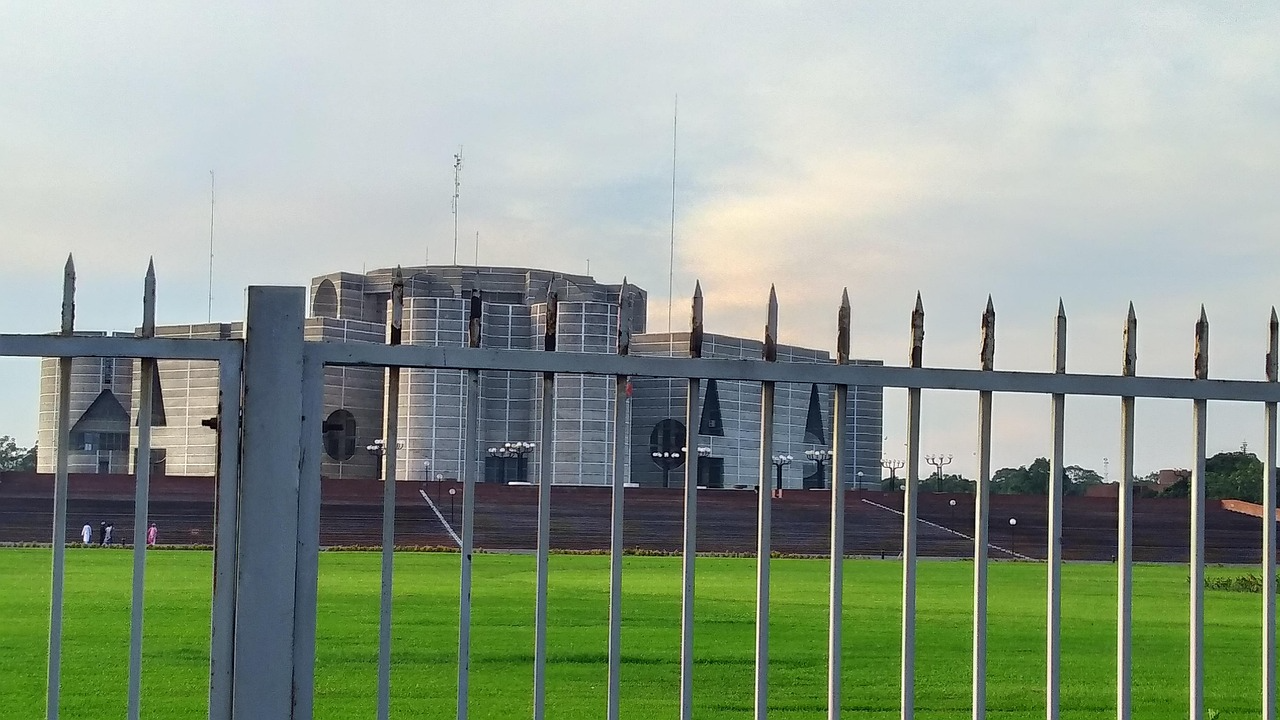
The parliamentary elections and a referendum are going to be held on February 12, 2026 in Bangladesh. The elections will lead to an elected government in Bangladesh. Election campaigns have already ended and political parties and people are waiting for votes and electoral outcomes. The parliamentary elections, which will be held after one year and six months of the interim government, will be held with the participation of most parties, except several parties including the Bangladesh Awami League (BAL) — one of the leading political parties that formed governments six times — due to its temporary ban. But how much the elections are free, fair and credible will determine the post-election politics of Bangladesh.
Election campaigns have been better this time, probably due to several reasons including the presence of a non-party government, its reiterated commitment and a better level playing field, though not as desired and there were more than fifteen deaths and violence in many areas. Parties have appeared more to offer their electoral promises of bringing positive changes rather than blaming other parties, which was visible in several earlier elections. Moreover, parties carried out campaigns without notable barriers and much violations of campaign rules, while political parties and candidates faced obstacles from other parties in carrying out campaigns in several earlier elections. These are indicative of improvements in the electoral culture and free, fair and credible votes on the day of elections.
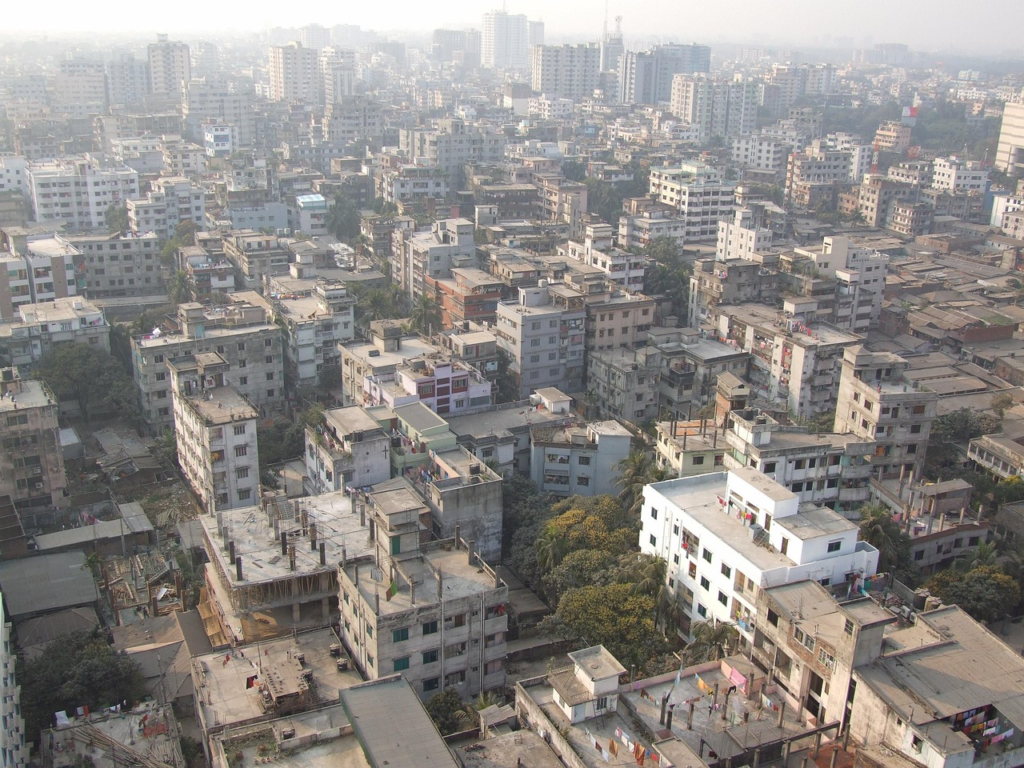
Dhaka, Bangladesh (credit: https://pixabay.com/).
But — more importantly — there are various challenges to free, fair and credible elections especially on the day of elections such as vote buying, ballot box stuffing, vote snatching, and the manipulation of election results. There are allegations of possible cash distribution by influential political parties to sway voters. Vote buying occurred in the past, especially just the day before the elections. There are also threats of forcing the polling agents of the less dominant party or parties out and forcibly casting ballots by polling agents and supporters especially in areas and polling centers where only one political party or candidate decisively dominates. There are risks for conflicts especially in high-risk constituencies and polling centers across the country.
Holding free, fair and credible elections is vital for Bangladesh, which has been struggling for such elections for decades. even if several times including the 1991 elections and the 1996 (June) elections were free and fair. Bangladesh needs a politically stable government to focus increasingly on development initiatives, improve the law and order situation, end political instability, encounter challenges at home and abroad, and so on. Only free, fair and credible elections will help improve the culture of politics and provide such a scope. Otherwise, the political crisis will persist for a long time, with a high possibility of political conflicts and further and significant deterioration of the political situation.
The positive side is that the interim government and the election commission have repeatedly expressed their commitment and political parties have been seeking free and fair elections. But unless challenges and threats are addressed, voting may not be as free, fair and credible as desired. The interim government needs to ensure that votes are free, fair and credible and electoral results are counted and published accurately and quickly. But transparency is vital from the government and the EC. Maintaining strict rule of law during votes by law enforcers and election officials is vital to address any threats of irregularities —more successfully.
But free, fair and credible votes are not solely the matter of the government and the election commission, though they can play a crucial role. The role of political parties is vital to provide people with the scope of casting their own votes, end fraudulent activities like vote buying, ballot box stuffing and vote snatching and ensure conflict-free elections. Parties also need to reflect the mentality of accepting accurate electoral results. Parties’ constructive politics can lead to better electoral grounds and post-election activities of the government, the opposition and others.
Amir M Sayem
Chief Editor
Dhaka Opinion Magazine
