


Growing terror attacks in Pakistan have led to concerns. As per the reports of multiple TV channels/newspapers including the BBC and CNN, an explosion at a mosque in Islamabad, the capital city of Pakistan, killed 31 people. The Islamic State (IS) has already claimed its responsibility. But this is not the only terror attack in Pakistan. There were coordinated attacks at multiple locations in the province of Balochistan last month and —moreover — many terror attacks including the 2014 Army Public School Massacre, the 2028 Wah Bombing and the 2025 Islamabad Courthouse Bombing were carried out in the past, leading to thousands of deaths. But how much militant attacks will end remains uncertain.
There are political, religious and other reasons that have not only facilitated terrorist attacks in the past but also can provide a scope for such attacks in the future in Pakistan. Geopolitical conflicts, border tensions between Afghanistan and Pakistan, the presence of terrorist groups, sectarian division and the presence of intolerance are some vital reasons for such attacks, the origin of which dates back to several decades ago especially the Soviet-Afghanistan war, when various Mujahideen groups were trained and equipped to fight the Soviet Armed Forces in Afghanistan. Various terrorist groups are now active, even if they are weaker, and involved in terrorist attacks in Pakistan including the Tehrik-i-Taliban Pakistan (TTP), the Islamic State Khorasan Province (ISKP/IS-K) and the Lashkar-e-Taiba (LeT).
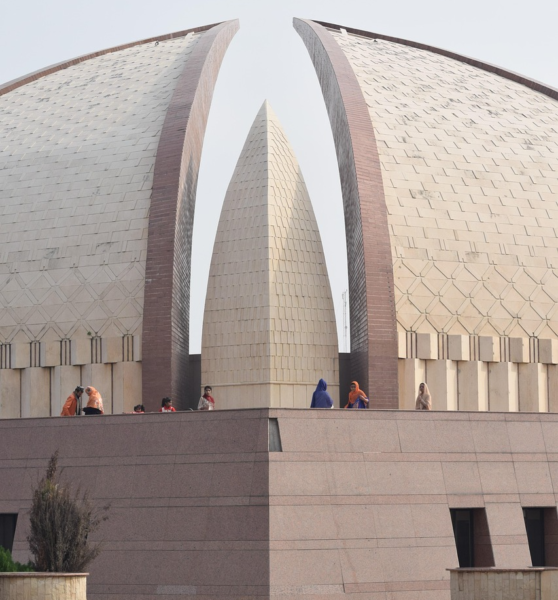
Pakistan Monument, Islamabad, Pakistan (credit: https://pixabay.com/).
But — optimistically saying — terrorist attacks are less at present than in the past. The government has taken various measures over the years such as major military operations, the implementation of the national action plan (both initial and revised) and border management and fencing in response to terrorism. Pertinently saying, since the Peshawar School Attacks in 2014, the Pakistan Army has launched major operations that destroyed terrorist strongholds and their infrastructure, along with killing thousands of terrorists. Additionally, Pakistan has taken counterterrorism-based financing measures and intelligence-based actions. These efforts have helped reduce terrorism over the years and were largely effective until it reemerged.
But there are flaws in the efforts to fight terrorism in Pakistan, leading to limited outcomes. The measures are rather kinetic (or armed forces-based) and do not desirably address the root causes including extremism, the legacy of wars in Afghanistan and intolerance. Though military measures have achieved notable success over the years in dismantling terrorist activities, it is difficult to eradicate terrorism and extremism and end the chance of terrorist attacks without addressing the challenges and root causes. Pakistan has been struggling to not only tackle internal threats but also address the root causes because of strategic ambiguity, a lack of political consensus and lingering sympathy to certain ideological groups.
Efforts are also unsuccessful in tackling external threats of the resurgence of terror attacks in Pakistan due to both internal and external causes. Pertinently saying, the return of the Taliban in Afghanistan in 2021 provided a sanctuary for the TTP, responsible for a significant resurgence of militant attacks, to use the Afghan soil but the government of Pakistan has so far failed to effectively put pressure or convince the Afghan government due to various causes including disputes over the Durand Line and ideological differences between the countries. The resurgence and a rising web of terrorist attacks have posed security challenges and created diplomatic obstacles.
Ending terrorist attacks, which have not only killed thousands but also affected the economy, solidarity and social values, is needed in Pakistan. For this, military-based measures and strengthened border management are vital. But the government of Pakistan needs to revise its anti-terrorism efforts and put emphasis on addressing the challenges and discrepancies in the existing approaches to prevent the resurgence of attacks and dismantle terrorist groups — successfully. Moreover, measures are needed to increase tolerance among religious sects and ethnic groups. Strengthened anti-radicalization measures are vital. These require planned efforts.
But addressing the transboundary challenges is required and will help successfully and drastically reduce such attacks, especially resurgent terrorism. For this, reducing rivalries with Afghanistan is vital, through diplomatic channels rather than not military confrontations, which have remarkably increased in the last two years. Developing a terrorism-related cooperation mechanism between India and Pakistan can also help. But the commitment of the government is vital to successfully fighting terrorism and addressing local and transboundary causes.
