

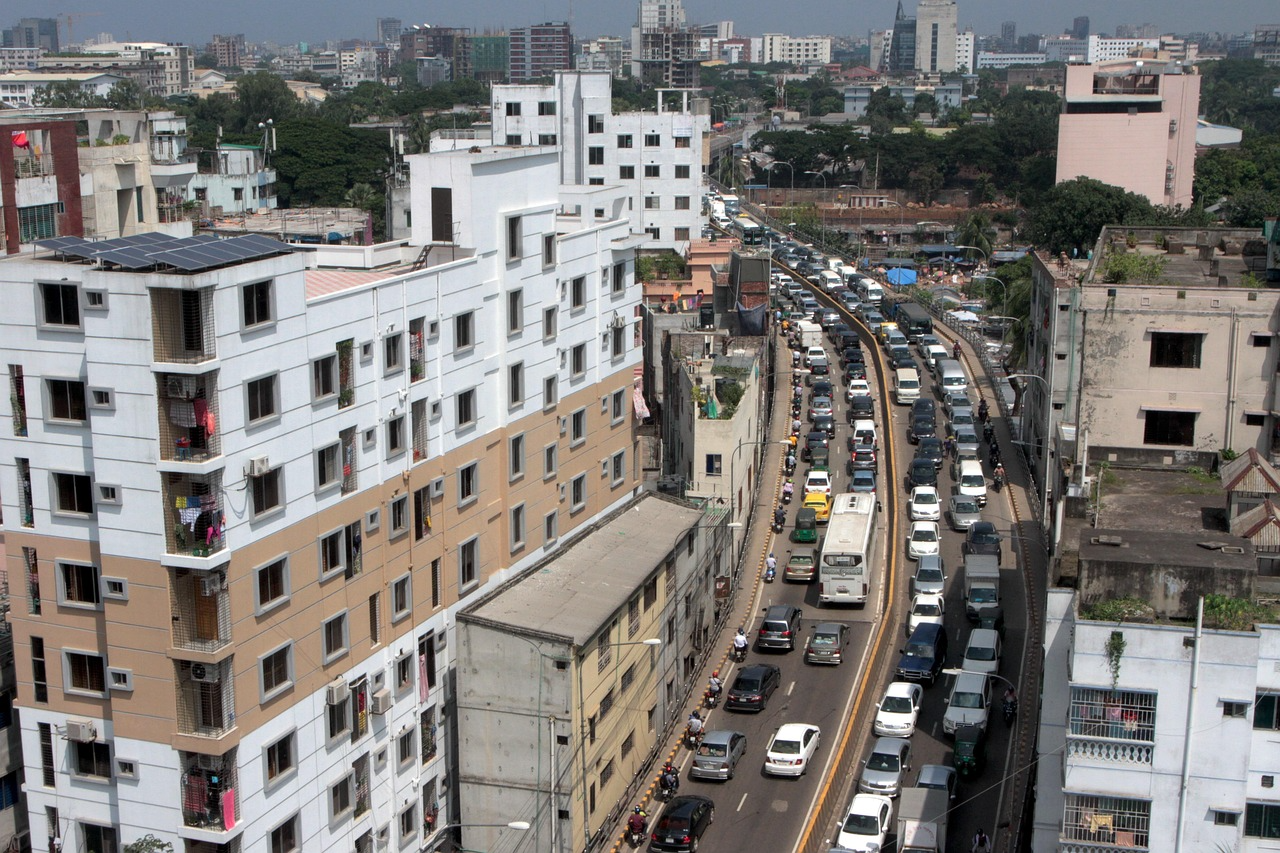
Air pollution is a serious health and environmental problem around the world. Air pollution levels are dangerously high in Bangladesh, especially in its like Dhaka and Chittagong. One of the major reasons for air pollution in cities is the loss of green spaces and trees, which help clean the air but have been replaced by buildings, roads, and factories. Despite the importance of planting more trees, it is not always possible, especially in crowded urban areas. But in response to this growing challenge, scientists and engineers have created a new solution known as the Liquid Tree. In order to clean the air, save space, and improve the quality of city life, this technology combines both nature and science.
Before moving further, it is vital to detail the Liquid Tree somewhat. A Liquid Tree is not an actual tree, despite its name. It is a special device, called a photobioreactor, which uses green algae to absorb carbon dioxide and other harmful substances from the air. Taking in carbon dioxide (CO₂) and releasing oxygen, these algae perform photosynthesis just like real trees, but with far greater efficiency. The liquid trees look like a large water tank and can be placed in public areas like parks, sidewalks, bus stops, shopping malls, school campuses, and even indoors in offices or gyms. It includes solar panels and LED lights, along with charging ports for mobile phones, which make it both practical and environmentally friendly.
Liquid Trees are filled with water and special types of algae, which are strong enough to survive in hot and cold weather. Air is pumped into the tank, where the algae absorb carbon dioxide and harmful gases such as dust and smoke and produce clean oxygen. Solar panels provide the energy needed to power it, and every two to three months, the algae are harvested and reused as fertilizer. Artificial Intelligence is used in some advanced models to manage the system. AI helps maintain the best possible conditions for the algae to grow and clean the air more efficiently and effectively. Moreover, Liquid Trees require little maintenance like small amounts of water and minerals from time to time.
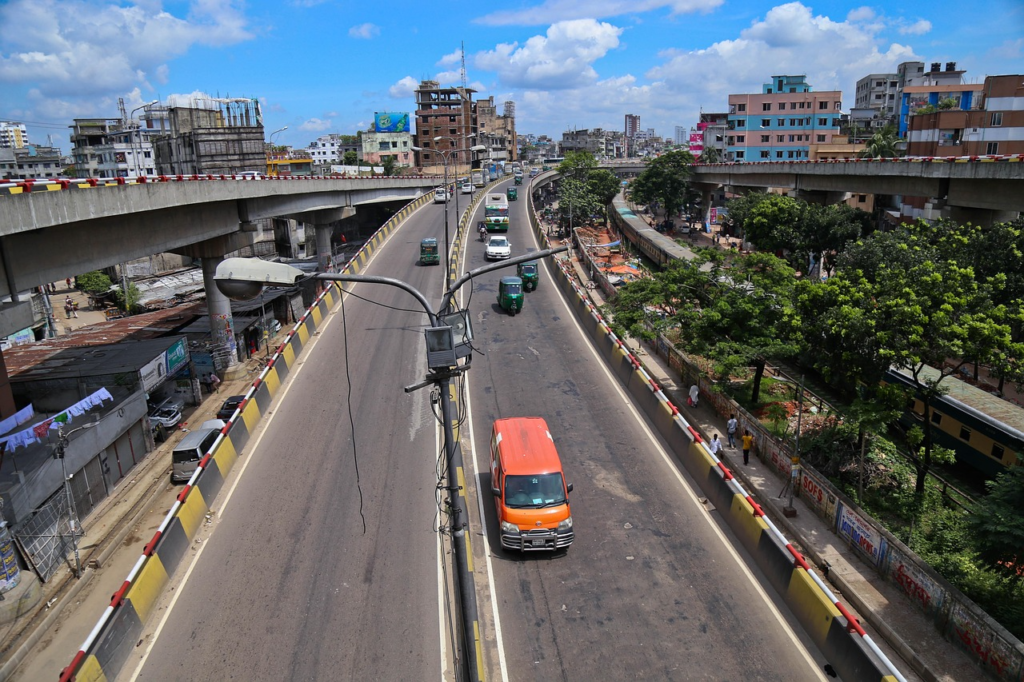
Dhaka, Bangladesh (credit: https://pixabay.com/).
Bangladesh is one of the countries most affected by air pollution. Among the cities, Dhaka, the capital city of Bangladesh, is listed among the most polluted cities all over the world. Traditional solutions like planting trees are essential to reduce air pollution, but they require time, space, and continuous care. In crowded urban settings, it is not always feasible to plant trees and maintain large green spaces due to various reasons, including limited urban spaces and the lack of properly planned development of cities. In such situations, Liquid Trees can play a vital role as a space-saving, efficient, and clean-air system, at least an additive in Bangladesh.
Liquid Trees offer many benefits. Algae can absorb ten to fifty times more carbon dioxide than traditional trees. More importantly, unlike traditional trees, Liquid Trees require no soil, face no pest-oriented problems, and are not affected by seasonal changes, which makes their maintenance simple and cost-effective. The harvested algae can be reused in agriculture and aquaculture. Furthermore, algae can help clean wastewater by absorbing harmful chemicals such as nitrogen and phosphorus from contaminated water and produce natural compounds that are valuable for medical research and treatments. Cleaner air produced by the system can reduce respiratory diseases, along with improving energy levels and mental clarity, especially in indoor environments.
To maximize the benefits of Liquid Tree technology in Bangladesh, several actions can be taken. Pilot projects can be taken in high-traffic urban areas such as Gulshan, Motijheel, or Dhanmondi. Collaboration between universities and startups would encourage research and the development of locally designed Liquid Trees. This technology could also be integrated into public infrastructure such as metro stations, schools, community centers, and city halls. Private companies may come forward and support these initiatives through the CSR programs by sponsoring the Liquid Tree units in cities. Community engagement is important. Training youth volunteers will help maintain the units and raise public awareness.
In an era of increasing air pollution and climate stress all over the world, countries like Bangladesh need creative and scalable solutions to protect themselves from such pollution. It is time to embrace solutions like Liquid Trees in Bangladesh. Cleaner air does not always have to come from forests; sometimes it can come from a tank of green water, both effectively and efficiently. But Liquid Trees are not a replacement for natural forests at all, though they are a groundbreaking innovation in cleaning the air and protecting from air pollution.
Consequently, Bangladesh needs to continue investing in large-scale tree plantations in different areas, including urban areas, public transport reform, renewable energy projects, and strong air quality laws. The current government’s nationwide tree plantation initiatives are praiseworthy, but these need to be ensured. Liquid Trees should be viewed as a complementary tool that is especially useful in those areas where traditional environmental solutions are difficult to implement.
DISCLAIMER: The views expressed are those of the authors and do not necessarily reflect the official policy or position of the Magazine. Views published are the sole responsibility of the author(s).
