

Tensions have been growing between the United States and Europe over Greenland. As reported in multiple sources including the BBC and CNN, the US administration has been seeking Greenland and threatened to use military force to annex resource-rich Greenland, an autonomous territory of the Kingdom of Denmark, if needed. In response, Denmark and Greenland have denied such a possibility and the EU countries — which have rallied to Denmark’s support — have been opposing such a desire, leading to tensions between the United States and the European Union countries, two parties that have been traditional allies in international politics for decades. But where the US-EU tensions will finally move remains uncertain.
Several developments including threats and measures by the parties have complicated the matters in the last few weeks. The imposition of US tariffs against several European countries and threats of retaliatory EU tariffs against the US are notable. The US, which earlier threatened to impose tariffs against countries that do not go along with its ambitions to annex Greenland, has imposed 10 percent tariffs against eight countries such as Denmark, Norway, Sweden, France, Germany, the UK, the Netherlands and Finland and threatened to increase it to 25 percent. But tariff threats have drawn condemnation from European leaders. UK Prime Minister Keir Starmer said the move was “completely wrong” and French President Emmanuel Macron called it “unacceptable”. Europe also warns of ‘dangerous downward spiral’ and counter-tariffs after Trump threatens tariffs over Greenland.
Since the US looks at Greenland as a security matter and has been consistently expressing the desire for Greenland, it is more indicative of a low possibility of reverting from its position and a high possibility of further tensions. On the other side, neither Denmark nor European countries — which render such a US desire against sovereignty and unrealistic and rather have deployed a small number of troops to Greenland in a reconnaissance mission — will probably remain unwilling to hand over Greenland to the US. Consequently, tensions are likely to increase further between the parties with further measures and counter-measures. The lack of predictability of the US administration, a mere economy focused approach in international relations and several other causes can play a vital role too.

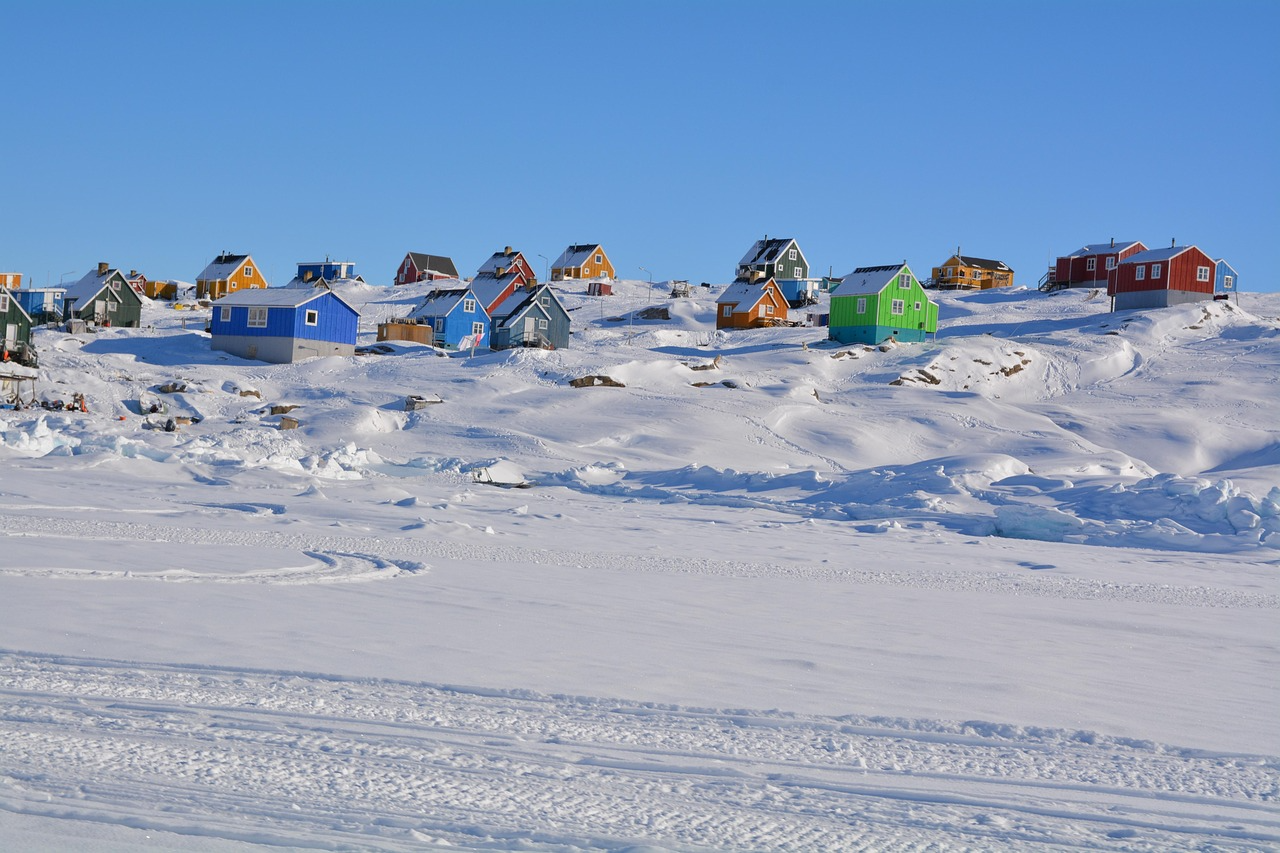
Credit: https://pixabay.com/.
But a pertinent aspect is whether the US and EU relations especially their allied partnerships are going to end. It is difficult to be certain about it yet. But the possibility remains, at least somewhat. The relations between the two parties have become troublesome since early 2025 especially over trade tensions and disagreements on burden-sharing within NATO. The US has moved away from viewing Europe as a primary ally, creating a “decoupling” scenario where Europe is pressured to take on all regional security responsibilities. But the latest move is a potentially permanent shift away from the cooperative strategies of the Biden administration towards a more confrontational approach in the current administration.
Tensions over Greenland are probably the toughest and most challenging moment for the Western countries especially between the US and European countries — the relations between which have been going on for decades based on extensive cooperation during the Cold War between the US and then USSR and subsequently — though they encountered many challenges earlier including deep divisions over the Iraq War (early 2000s). In the worst-case scenario, direct military conflicts may take place between the US and European countries. Pertinently saying, in response to the US threats of force, the EU has deployed troops to Greenland and expressed warnings of retaliatory measures, even if not directly said to use military measures.
Even if the US had made military measures against another European country such as Panama in the past, the 1989 Panama invasion and the tensions over Greenland are different because they represent distinct historical contexts, types of intervention and levels of risk to escalation between the US and European countries. The Panama action was a completed military intervention to remove its de facto leader Manuel Noriega, while the Greenland tensions are ongoing, non-kinetic geopolitical, economic, and diplomatic pressures focused on territory and resources in a NATO-allied nation. Consequently, European countries will probably continue if the US continues.
Tensions over Greenland may consequently have far-reaching impacts on NATO — a military alliance of western nations including the United States and many European countries including the United Kingdom. Any military escalation from the ongoing tensions, which have increased at a time when the Ukraine War and peace negotiations have been going on, can inject skepticism over the effectiveness of NATO as its Article Five, which states that an attack on any member state is an attack on all and on which the Western organization is firmly and powerfully established after the Second World War, with a possibility of its decisive dysfunction.
Amidst the ongoing tensions, the only positive side is that talks have been going on between the parties. The US and Denmark held talks over Greenland a few days ago. But there were no significant and positive outcomes. Moreover, several other European leaders including Keir Starmer are seeking to diffuse tensions with the United States over the future state of Greenland. But amidst the unilateral approach of the US administration, any such efforts are likely to fail, unless there is a significant change in the present position of the US administration.
Ongoing tensions over Greenland, rendered an existential threat to the transatlantic alliance, are probably so far the most difficult problem between the United States and European countries. Due to conflicts of interests and respective firm positions of the parties, it is probably difficult to be resolved. But only talks based solutions and mutual respect can help resolve the disputes and de-escalate tensions between the two parties.
