


Tensions have grown between the US and Iran, leading to concerns. As per the reports of multiple sources including the BBC and CNN, the US has been considering limited strikes shortly against Iran amidst the growing tensions over the last two months and ongoing peace talks. The US has in the meantime significantly strengthened military powers in the Mediterranean Sea over the weeks and deployed air and naval assets — the largest military buildup since 2023— including two warships, while Iran has been threatening retaliatory attacks on US targets in the region, increasing the chance of a war between the parties. But how much there is a chance of a war remains uncertain.
Various reasons may prevent a war. The risk of a prolonged and regional war, significant retaliatory capability of Iran and a lack of strong regional support can reduce the chance of a war. Moreover, diplomatic risks and ongoing talks between the US and Iran amidst the tensions, which have been growing over the months especially since the beginning of the anti-government mass protests in Iran, which sought regime change, may prevent a war. The parties carried out a round of talks in Oman and talks are underway in Switzerland. The Iranian foreign minister indicated that a ”draft resolution” is being prepared and it will be given to the US. Though this is not a final deal, it will help finalize a deal and can reduce the chance of a war.
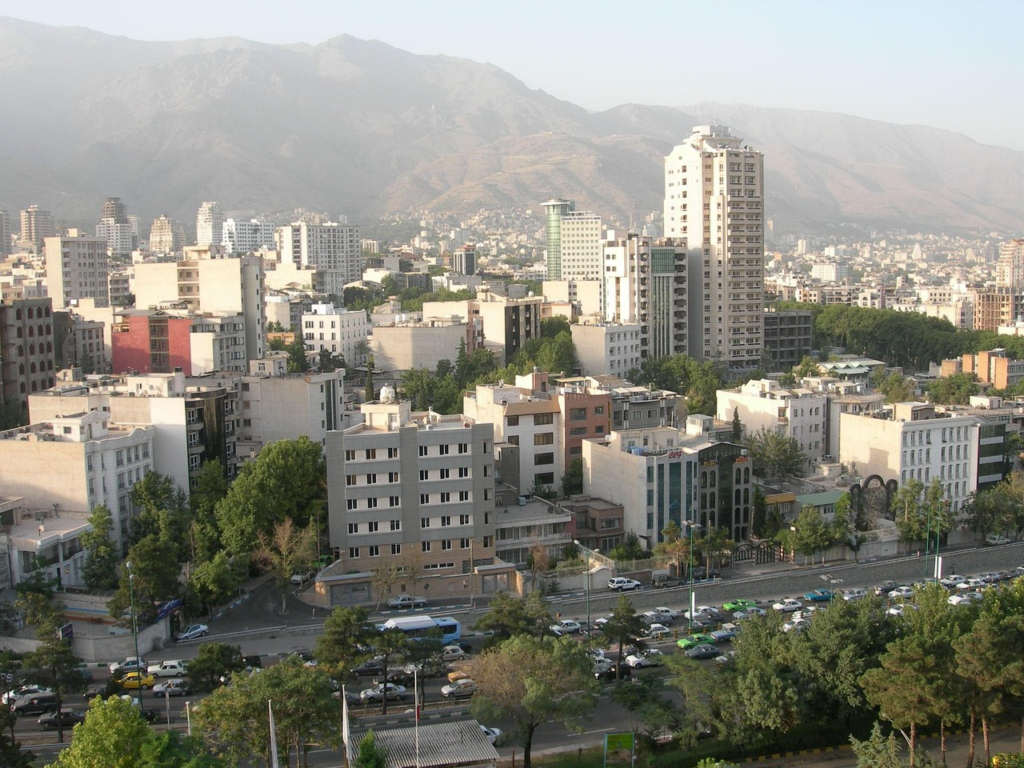
Tehran, Iran (credit: https://pixabay.com/).
But talks have not yet brought any significant outcomes. Moreover, there is a long rivalry and distrust between the parties, a nuclear deadlock and differing priorities and interests that may increase the chance of a war. The US-Iran relationship has been in trouble for decades, though it dramatically deteriorated in June 2025 when the US carried out limited strikes on the Iranian nuclear facilities, and — moreover — one of the aims of the US is regime change in Iran, even if this has consistently not been the agenda. The US president repeatedly called for regime change amidst the growing protests across Iran last month. Iran’s internal instability and current weakest position in decades may encourage military strikes against it.
But, moreover, the differing priorities and interests of the parties at present regarding the nuclear and missile programs of Iran may be a largely determining cause. While the US prefers the reduction of the missile programs, Iran may be less likely to comply with it due to its security concerns amidst its relative weakness and their importance for self-defense from foreign aggression. Besides, Israel’s efforts to prevent a nuclear deal between the US and Iran may play a role. Consequently, it is difficult to be certain that there will not be a war, even if it is not a full-scale war, and how much there will be a resolution to conflicts of interest remains uncertain.
But any full-scale war between the parties will be disastrous — not only for Iran but also for other countries within and beyond the region including the US. The oil price may further increase and the global economy can be significantly impacted. But it is desired that a war be avoided. Optimistically saying, there is a growing opposition within the US over a war against Iran. But discouragement by US-aligned regional and other actors may help prevent a war between the US and Iran. But reaching a resolution between the parties is vital and will help reduce the chance of a war further.
But emphasis needs to be given to addressing the challenges and mutual concerns. The continuation of the US-Iran talks including the upcoming Geneva talks has no alternative. Talks on the possible draft deal of Iran will help address concerns and reach a peace resolution. But mutual respect, mutual security concerns and reflecting the rights of each party, along with their goodwill, are vital to address the concerns in a more acceptable manner and reach peace.
Amir M Sayem
Chief Editor
Dhaka Opinion Magazine
