

The Iran-US-Israel war has been going on for more than two weeks but there is no indication and effort to end it yet. Moreover, as per the reports of multiple sources including the BBC and CNN, the unjustified war, which started with the sudden attacks of the US and Israel on Iran on February 28, has significantly disrupted global oil supply chains especially through the Strait of Hormuz, a vital route for oil supply from the Middle East countries including Saudi Arab, the UAE, Kuwait, Iraq and Qatar. If the war is not ended soon, it can affect the price of oil further and its impacts can be far-reaching globally in the coming days, leading to concerns.
Oil supplies have reduced from the Middle East because of several reasons related to the Iran-US-Israel war. The blockage of the Strait of Hormuz — a vital pathway that passes one-fifth of the global oil supplies — and attacks on shipping and energy infrastructure, including oil refineries in Saudi Arab, the UAE, Qatar and Iran are notable reasons. Iran immediately closed the Strait once the war began. But all parties such as Iran, the US and Israel carried out attacks on oil refineries. Consequently, the price of oil has increased roughly 40 percent globally, impacting the lives of many. Panic buying and oil rationing have taken place in many Asian and Pacific countries especially those which depend on oil supplies from the Middle East.
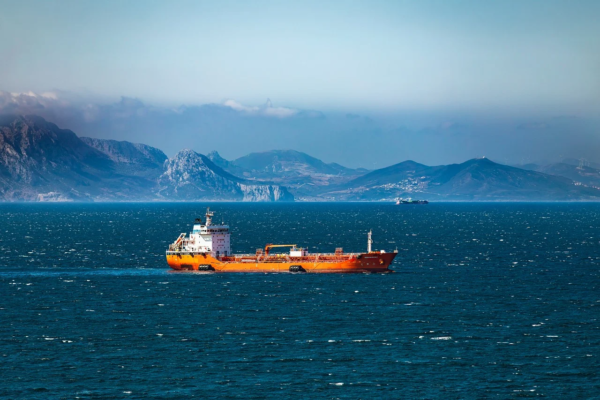
Oil tanker (credit: https://pixabay.com/).
The positive side is that several measures were taken to tackle supply disruptions through the Strait of Hormuz including the release of oil reserves, temporarily lifting sanctions on Russian oil, diplomatic engagement to secure safe passage through the Strait by some countries and increased use of alternative paths (such as the Red Sea Pipelines). The International Energy Agency (IEA) has agreed to release 400 million barrels of oil, the largest coordinated release of the organization ever, from the strategic reserves of its member countries. Sanctions on specific cargoes of Russian oil already at sea (100-130 million barrels) that were imposed after the beginning of the Ukraine War were removed by the US. These can help reduce supply disruptions.
But these are not effective alternatives and are unable to fill the gaps of oil supplies from the Middle East through the Strait of Hormuz due to several reasons including the gaps in volume of supplies and high costs. The supply of 20 million barrels per day (bpd) through this strait makes it too immense for existing bypasses to replace. The Saudi’s East-West Crude Oil Pipeline currently supplies only 3-5 million bpd and can supply 7 million bpd (at maximum), while the UAE’s Abu Dhabi Crude Oil Pipeline can supply 1.5 to 1.8 million bpd. Consequently — even if the IEA’s release and Russian sanction-lifted oil are taken into consideration— the closure of Hormuz will continue to critically impact global oil supplies.
Unless the war ends, oil supplies will be disrupted further. If the war continues for a long time, impacts will be unimaginable. Several energy companies from the Middle East, including QatarEnergy, Bapco Energies and ADNOC have halted operations after attacks on their facilities. Moreover, how much the extant supplies from the Middle East remain unaffected is uncertain. Due to strategic and other reasons, the parties may continue to attack oil reserves, refineries and tankers. Consequently, oil supplies are likely to further decreases in the coming days, if the war continues.
Other available efforts are elusive, not effective. The US desire to engage forces to secure oil supplies through the Strait of Hormuz is not only difficult to manage but also infeasible to ensure. France has already denied the US invitation to engage. Moreover, Iran’s attacks on a few oil tankers with even a small means, even if efforts to secure the strait become largely successful, will discourage other tankers from moving through this route. Besides, the war is less likely to defeat Iran quickly. There is no decisive better position of the US and Israel yet— even after around twenty days of the war. Iran has repeatedly said it has the capacity to continue a long war.
It is vital to end the costly war. The war is costly not only for the warring parties but also for others especially those which buy oil from the Middle East. Though rich countries may suffer less from the disruption of oil supplies and increased oil prices, many developing and low-income countries are likely to be affected more. Peace initiatives are needed immediately to end the war. The responsible acts of the warring parties will help end the war earlier and reduce the chance of further disruptions in oil supplies.
