

Iran-US tensions over the Iranian protests have been global concerns for days. As reported in multiple sources including the BBC and CNN, the US threats of strikes on Iran in response to the crackdown and the deaths of more than 2500 protesters in the ongoing anti-government protests — started on 28 December 2025 after a sudden slide in Iran’s currency value — and Iran’s counter-threats of strikes had increased tensions. Though tensions have reduced now for diplomatic efforts, it still remains difficult to be certain that there is no chance of further tensions involving Iran and the US, which conducted strikes over Iran’s nuclear facilities several months ago, over the protests, with a possibility of US strikes and military confrontation.
There are various reasons that can play a role in the coming days. The continuation of protests, Tehran’s brutal crackdown on protesters and persecution and the US policy on Iran over the ongoing protests and persecution are notable. Though anti-government protests have largely been diminished, there are sporadic protests, violence between protesters and law enforcers and the arrests of protesters. Given that protests, which are incited by exiled prince Reza Pahlavi, the son of late Mohammad Reza Shah Pahlavi who was overthrown through the 1979 Iranian Revolution, and supported by the US and Israel, continue, Iran may carry out crackdowns for the regime’s own sake. Consequently, the chance of worsening the situation remains, even if it is calm at this moment.
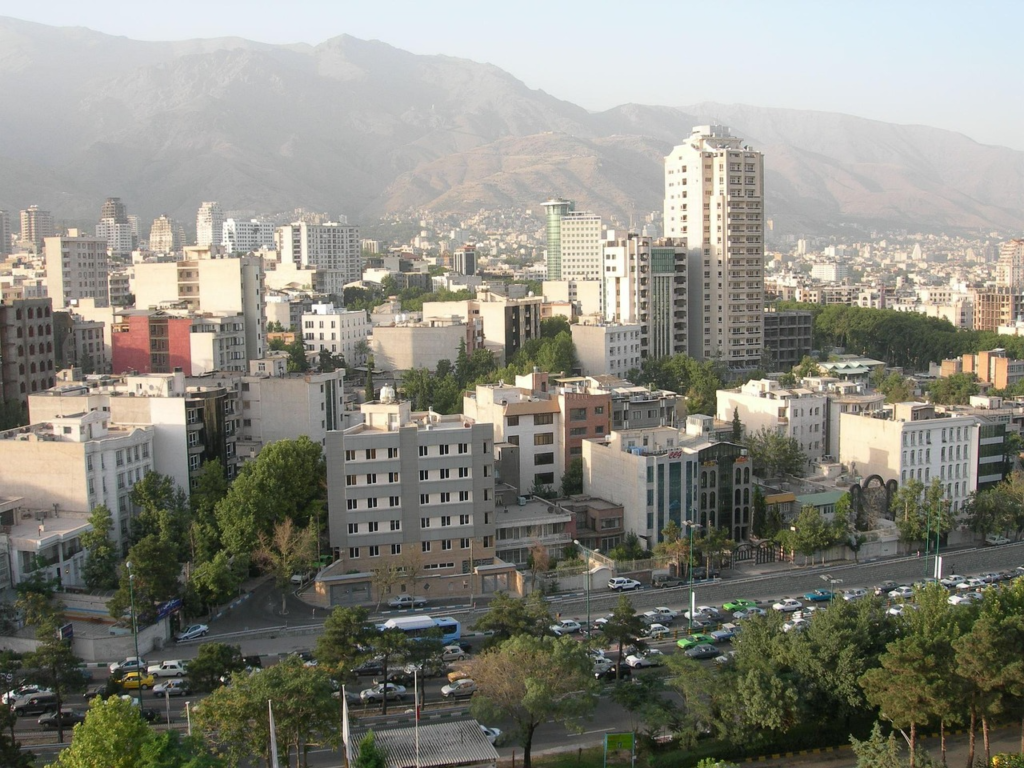
Tehran, Iran (credit: https://pixabay.com/).
But, positively saying, there are ongoing mediation efforts and some optimistic developments. The preventive diplomatic efforts of several countries including Saudi Arabia, Qatar and Oman have not only led to changes in the US position in attacking Tehran — even if it has ordered its Navy Supercarrier Abraham Lincoln to move from South China Sea to the Arab region — and Iranian position in ending the persecution of protesters, including 26-year-old Erfan Soltani, the first protester who was given a death sentence, but also may help mitigate further tensions if there is any such tensions. But there are various challenges ahead that can increase tensions between Iran and the US.
While arbitrary arrests and detention of protesters are continuing across Iran, the United States, which was preparing to strike Iran, has not ruled out military strikes off the table altogether and warned it would consider this if killings continue by the Iranian authorities. Moreover, the underlying reasons for the tensions may be difficult to be resolved due to geopolitical complexities and there is a difficulty in addressing the concerns of protesters, keeping the chance of further escalation at least somewhat, even if the president of Iran said on Thursday that the government was trying to improve living conditions and address the issues that fueled the anti-government protests in Tehran but spread to all 31 provinces.
But talks-based solutions to the crisis are desirable, especially involving the US and Iran. Attacking Iran can lead to a full-scale military confrontation between the parties and escalate the conflicts in the whole region, which has been countering conflicts for years in several countries including Syria, Iraq, Palestine, Lebanon and Yemen. Instead of military strikes, putting pressure may be helpful in protecting the rights of protesters including refraining Iran from its persecution. But arbitrary arrests and detention in the protests, which quickly expanded to demands for political reform and even an end to the Iranian regime, need to be ended by Iran.
But, moreover, Iran needs to address the reasonable concerns of protesters, especially rising living costs, economic trouble and corruption, which led to anger among many Iranians and motivated them to participate in the latest movement, which is rendered the most serious bout of unrest the government has faced in decades — even if there exists the geopolitics of rivalries. Though the president of Iran has vowed to target corruption and price gouging, which is expected to improve Iranians’ purchasing capacity, these need to be ensured. Otherwise, future instability is likely.
But it remains uncertain how much oil-rich Iran can mitigate economic concerns for its people. Iran’s financial conditions have worsened due to several reasons including decades of western sanctions, mismanagement and corruption and emphatic focus on military budget, amidst growing geopolitical threats. While the withdrawal of some sanctions can help Iran increase its financial capacity, planned management and budgetary allocations will improve people’s economic conditions.
