


The Dominican Republic is a developing country. It has been experiencing a rapid and sustained economic growth over the last twenty years and has improved its economic, social and several other conditions for its people. The Dominican Republic has huge development potentials in economic, social, political and other grounds with further economic growth, a booming tourism sector, increasing foreign investment and structural reforms, to name a few. The Latin American country also has the potential for infrastructural development (including logistics infrastructures), renewable energy, rapid digital transformation, human capital development, and strengthening institutions, which in turn will help develop different conditions and improve the lives of its citizens further.
But there remain economic, political and other development challenges to the Dominican Republic, which has a per capita GDP of more than USD 10000. Key development challenges include persistent poverty and high inequality, economic inequality and poor education outcomes. Poverty is a major concern and almost one-fourth of the population in the Dominican Republic lives in poverty. Although poverty is declining over the years, it has resulted in high inequality, impacting women, migrants, and rural areas. Weak infrastructure, limited economic diversification and over-reliance on tourism — a major economic source — and significant fiscal issues (especially the struggling electricity sector) also remain crucial challenges. Other challenges include governance issues (including corruption), vulnerability to climate change and natural disasters and inefficient public services that hinder development in the Dominican Republic in various terms.
There are human rights-based and other challenges in the Dominican Republic, where media freedom has improved over the last several years and exists to a larger extent. Main human rights concerns are arbitrary arrests and detentions, systemic discrimination against individuals of Haitian descent and poor prison conditions. Impunity of those responsible for human rights abuses in the Dominican Republic, which became fully independent in 1865, is a persistent and serious issue. Moreover, there are challenges to managing the relationship with its neighbors, especially Haiti, particularly in border security and transborder migration. Pertinently saying, the Dominican Republic removed the citizenship status of thousands of Dominican-born individuals of Haitian descent through a 2013 Constitutional Tribunal decision, which led to criticism at home and abroad.
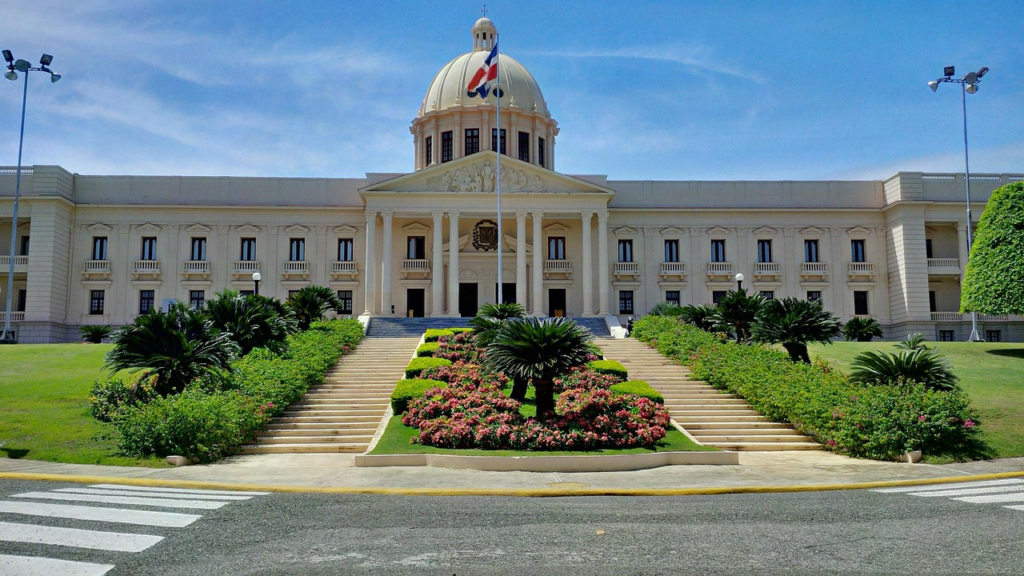
Credit: https://pixabay.com/.
Optimistically saying, various measures have helped address challenges and fostered development in the Dominican Republic. Governments have implemented and have been implementing different development plans and policies including the National Development Strategy 2030 (NDS) and the National Multi-Year Public Sector Plan. But there are limitations to the efforts — though various efforts have helped attract private investment through the Public-private Partnerships (PPPs), focusing on green growth in tourism and agriculture, strengthen social safety nets (like emergency cash for disasters), improve public finance and governance, and enhance climate resilience, especially through infrastructure and pollution control, along with inclusive education and digital transformation for sustainable progress, ultimately leading to rapid economic growth and improved conditions on various grounds over the last two decades — leading to limited outcomes.
The development policies and plans are not properly implemented, though their implementation is improving especially in investment reforms (especially since 2008) and macroeconomic policies. The government’s focus is scant on addressing poverty and income inequality. It is pertinent to say that policy implementation in the Dominican Republic faces significant obstacles due to various causes including weak institutions, consistent corruption, informality, insufficient funding for key areas (like Research and Development) and regulatory barriers, leading to gaps between policy goals (such as reducing inequality) and actual outcomes, despite huge potentials. Moreover, there is a lack of emphasis on addressing the violations of human rights, arbitrary arrests and detention and issues related to those Haitians who were deported to the Dominican Republic.
Though the lack of funding plays a vital role in hindering the desired development in the Dominican Republic, the absence of strong political willingness and commitment, which is crucial for development persuasion, driven by various causes including a system of clientelism in which elites are benefited, affects the development of different conditions and human development. Governments in the Dominican Republic have usually failed, or have been reluctant, to implement anti-corruption laws effectively. This has rather facilitated officials to engage in corrupt practices with de facto impunity. Though the current government has made some notable efforts to prosecute corrupt individuals and put emphasis on the implementation of such policies and plans, there are various discrepancies.
But measures are needed to address the challenges and continue development in the Dominican Republic to facilitate human development. The implementation of economic and other policies and plans by reflecting the desires of the people will be helpful — along with diversifying its economies and decentralizing its development initiatives. Major corruption networks involving officials, money laundering, and links to drug trafficking, need to be addressed and institutions need to be strengthened to make development initiatives more successful. But the government also needs to put emphasis on addressing poverty and growing inequality and promoting entrepreneurial initiatives in the Dominican Republic.
But addressing other concerns is vital in the Dominican Republic. The smuggling of arms, human trafficking, and other illegal activities including drug trafficking that exploit the porous border necessitate increased border collaboration with Haiti and improved patrols and military presence. But it is crucial to address arbitrary arrests and detention of migrants in the Dominican Republic. It is also vital to further improve freedom of expression.
